Amboni Caves: Limestone, bats and local history near Tanga
Amboni Caves combines dramatic limestone formations, wildlife and local history, though steep steps, heat and uncertain directions require preparation.
More photos
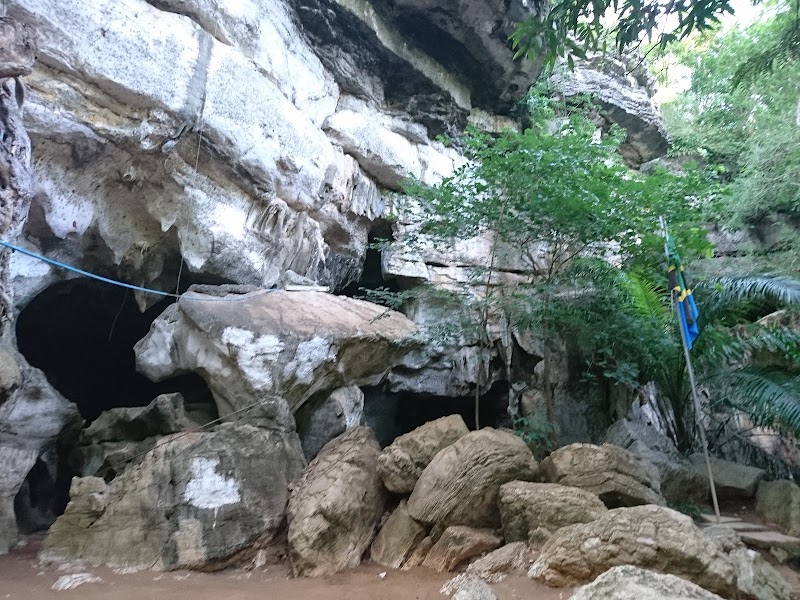
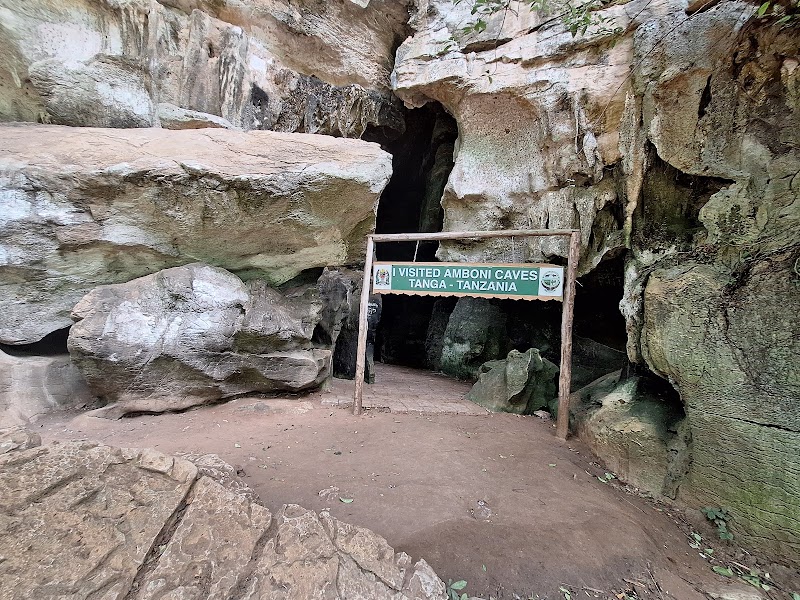
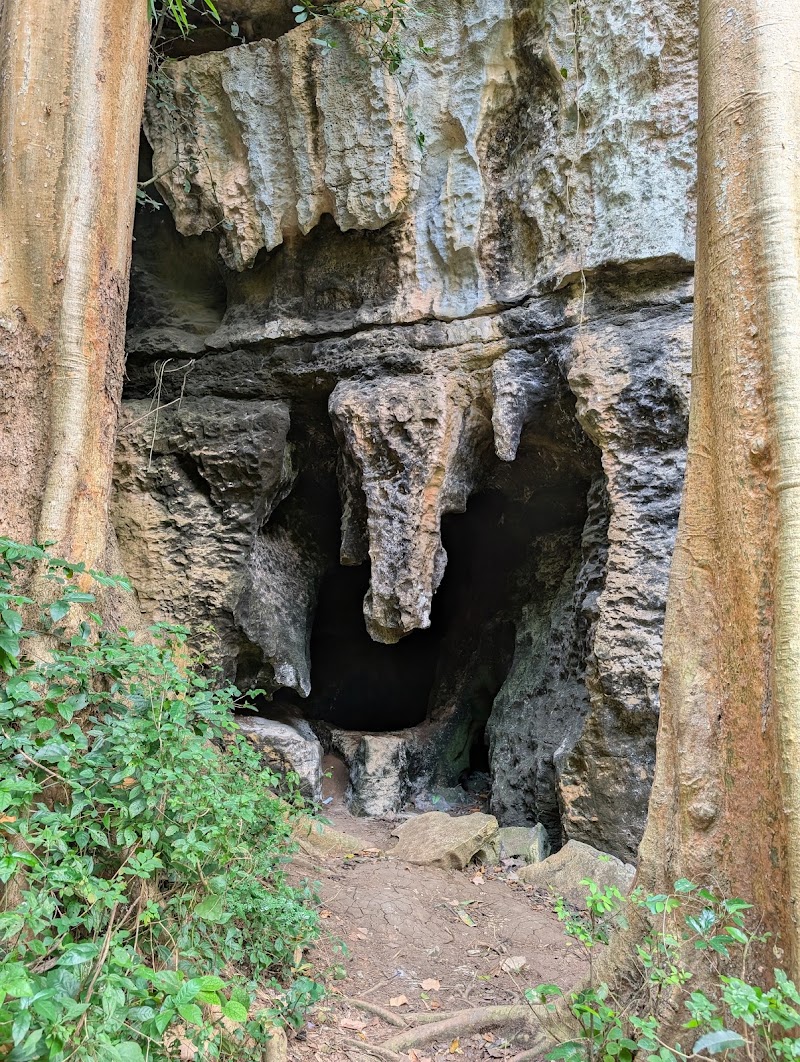
Photos published by travelers on Google, not AI generated.
What stands out
- Guided exploration of limestone caves
- Stalactites and stalagmites
- Large bat colonies
- Cultural and historical storytelling
- Atmospheric dark passages
Worth knowing
- Steep steps and limited handholds
- Hot, humid and low cave passages
- Google Maps may show an incorrect route
Don't miss
What comes up most in public reviews
- Take a guided cave tour
- See the limestone formations
- Listen to the caves’ local history
- Look for bats in the cave chambers
Worth the trip?
What public reviews suggest
Amboni Caves holds a Google rating of 4.4 from 402 reviews. The available traveller comments describe an atmospheric limestone cave system where geology, wildlife and regional history come together. Several visitors praise the guided experience, with one highlighting the guide’s storytelling and another simply reporting a strong tour through the caves.
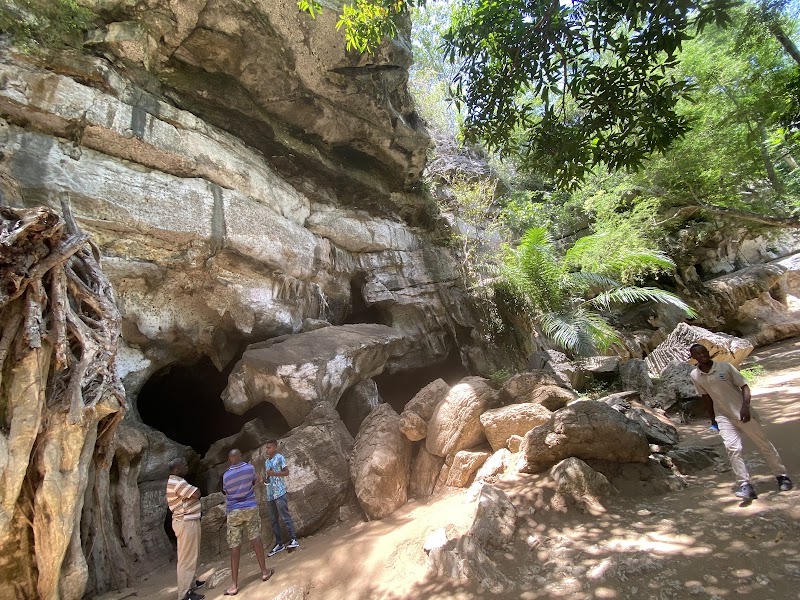
The attraction lies roughly 6 kilometres from Tanga town, according to one reviewer. A bajaj is mentioned as a practical way to reach it, while another traveller warns that Google Maps may not display the correct route. Visitors should confirm directions locally before setting out rather than relying entirely on navigation apps.
Inside the caves
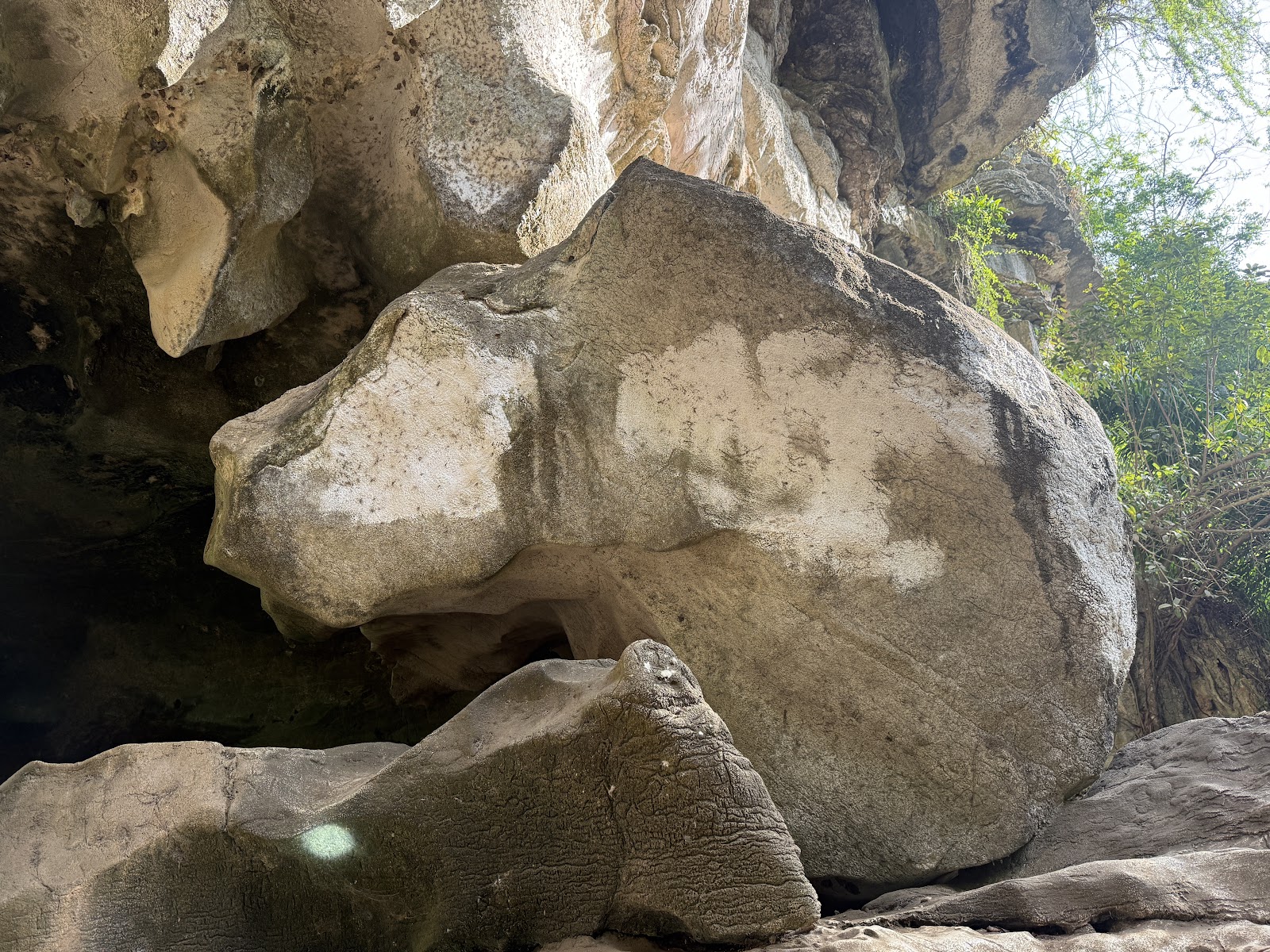
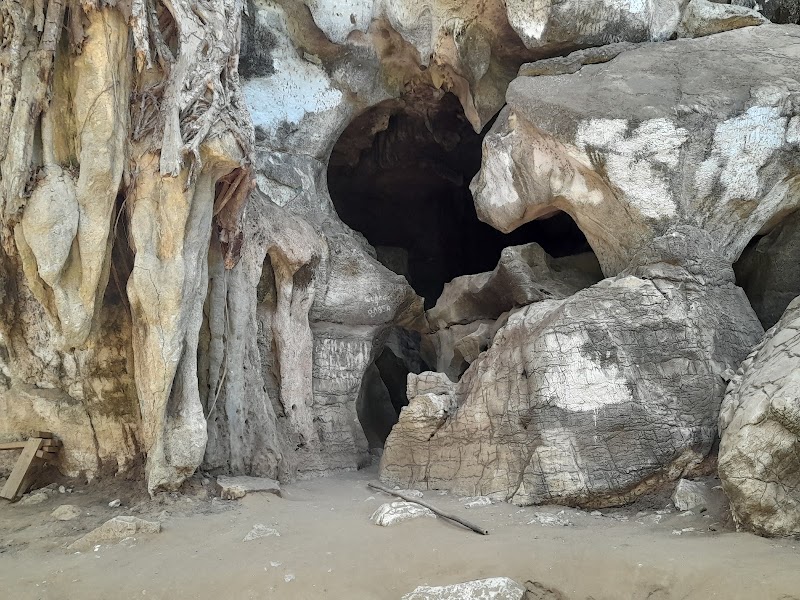
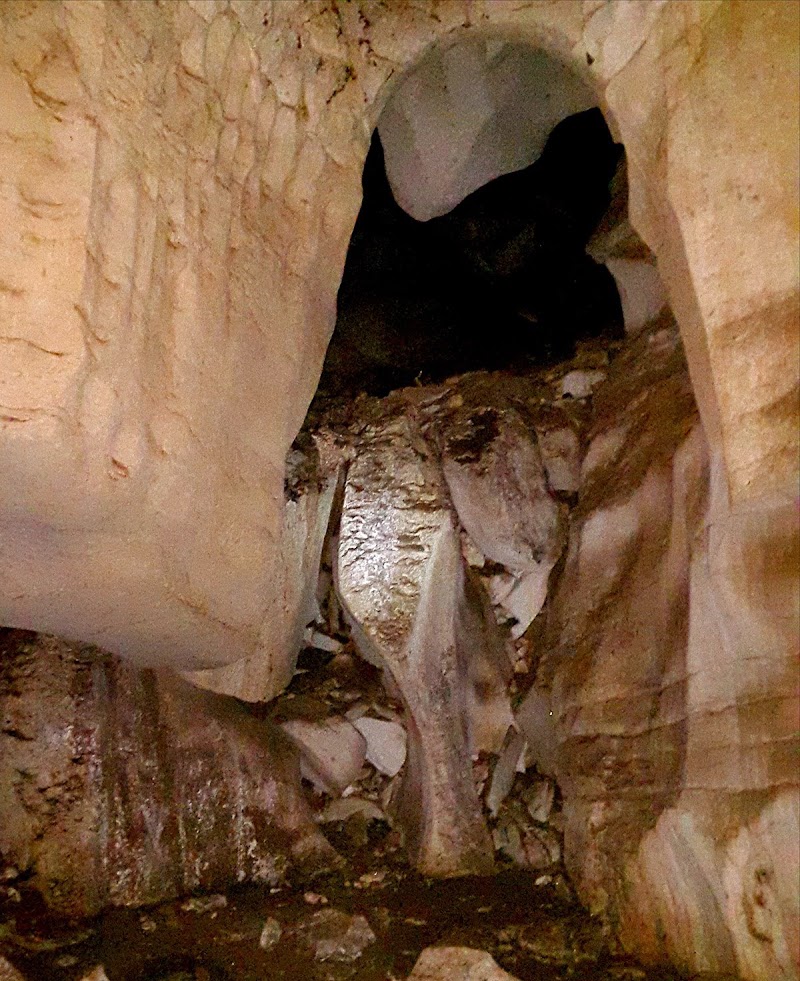
Stalactites, stalagmites and unusual rock shapes are among the principal features. One reviewer mentions a formation associated with the Virgin Mary, while others focus on the scale, dimensions and rugged appearance of the cave system. Perceptions of its size vary. One visitor found it unexpectedly vast and easy to become disoriented in, while another felt it was not especially large. That difference may reflect the sections covered during individual tours.
Bats are a major part of the environment. Reviews describe large numbers living inside, with at least two types observed by one traveller. Small flat spiders were also reported on some surfaces, although that reviewer described them as harmless. Guano and active cave life add to the raw setting, but they may be uncomfortable for visitors who dislike bats, insects or enclosed spaces.
Some principal sections reportedly have motion-activated lighting. Darker areas still require a flashlight, which the guide may carry, though bringing a personal light would be sensible. Low passages can require deep bending or near-crawling, making this more physical than a polished show-cave visit.
History and guiding
The caves are presented as culturally and historically significant as well as geological. One review specifically recalls learning about Otanga Osula and Paulo Hamisi, who reportedly hid in the caves many decades ago. Another describes the site more generally as culturally, geologically and historically interesting.
A guide appears central to the experience. Beyond helping visitors navigate the darker and more confusing sections, guides provide context and stories that would otherwise be easy to miss. Public feedback suggests the interpretation can turn the visit from a walk through limestone chambers into a broader introduction to local history.
Practical verdict
Amboni Caves suits curious, reasonably mobile travellers who are comfortable with darkness, humidity and cave wildlife. Reviews caution that some steps are steep and may lack handholds. Passages can be low, while the interior is described as hot and humid. Carrying water, wearing secure footwear and keeping both hands available for awkward sections would be prudent.
This is not portrayed as a highly managed or uniformly accessible attraction. Its appeal comes instead from the substantial cave environment, limestone features, bat colonies and guided stories. Visitors with limited mobility, claustrophobia or a strong aversion to bats should assess the conditions carefully before entering.
Ask anything
Looking for somewhere else?
Keep exploring
More from Tanzania

Tanzania · Iringa
Ruaha National Park: Wild Safaris Without the Crowds
Reviews point to a vast, quiet safari destination known for predators, elephants, birdlife and memorable nights close to the wilderness.

Tanzania
Selous Game Reserve: Big Landscapes, Varied Safaris
Boat trips, game drives and guided walks give this vast southern Tanzania wilderness broad appeal, with wildlife and scenery earning consistent praise.
Tanzania · Mwanza
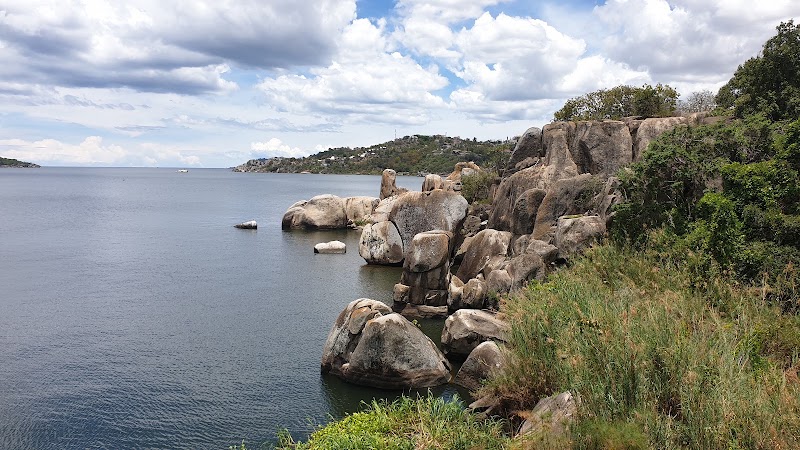
Saanane National Park: Lake Views Close to Mwanza
A compact island escape offering boat access, walking paths, birdlife and broad Lake Victoria views just outside central Mwanza.
Tanzania
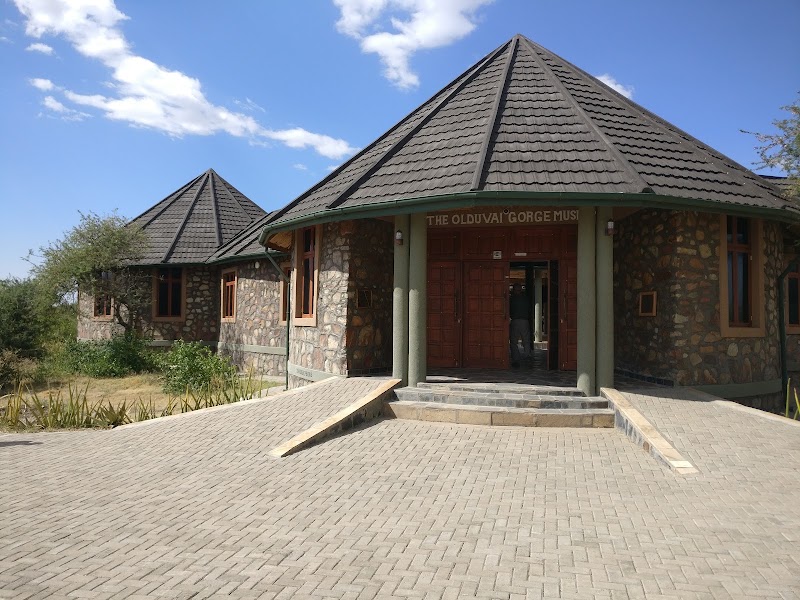
Olduvai Gorge Museum: Human Origins on the Safari Route
Strong exhibits, knowledgeable staff and an evocative setting make this a worthwhile cultural stop during a long drive across northern Tanzania.