Amberd Fortress: Mountain Scenery and Medieval Ruins
Strong public reviews praise Amberd’s fortress walls, historic church and expansive views, while warning that restoration and winter snow can restrict access.
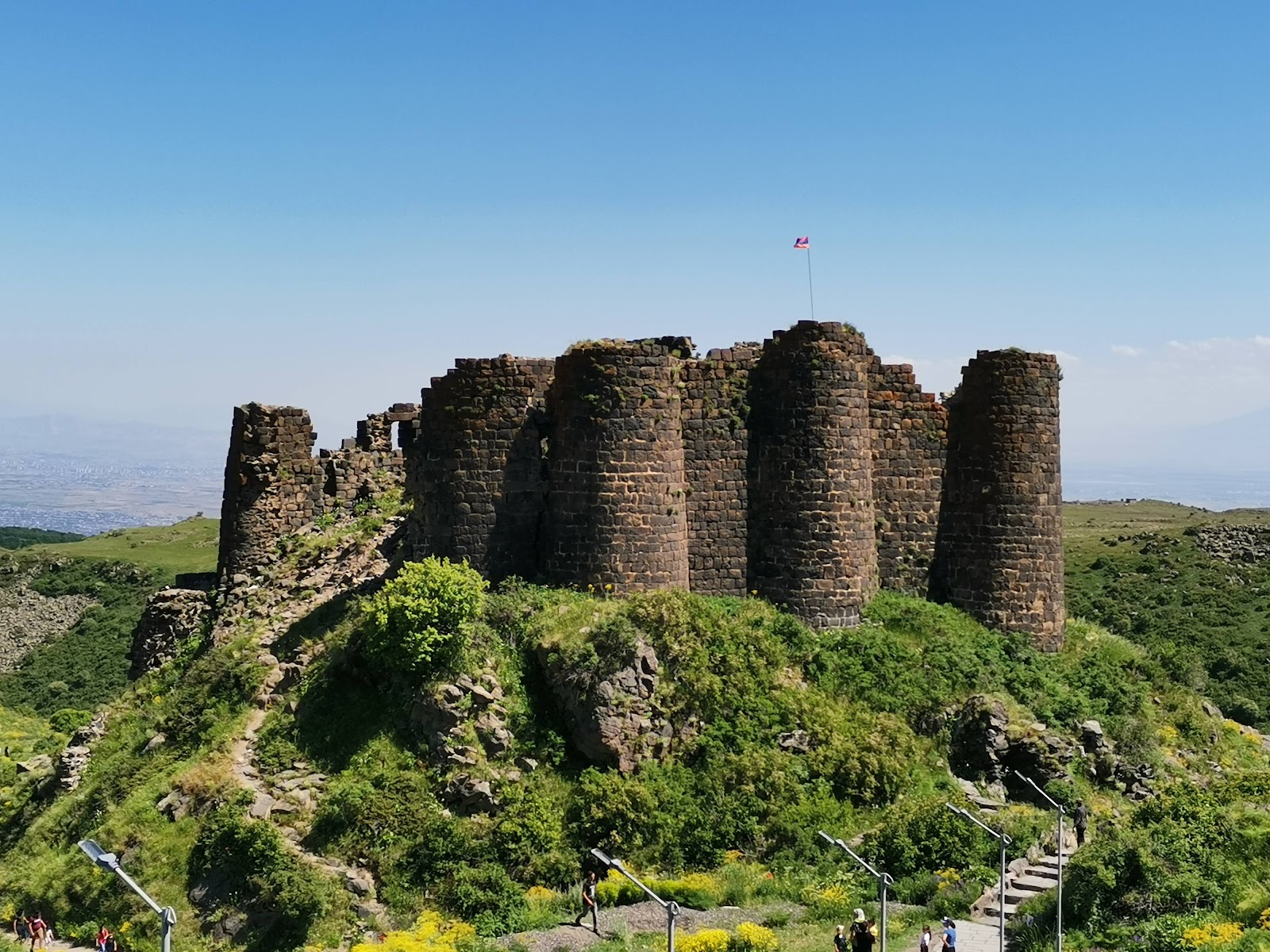
More photos
Photos published by travelers on Google, not AI generated.
What stands out
- Imposing early medieval fortress walls
- 11th-century church
- Valley and Mount Ararat views
- Scenic drive to the site
Worth knowing
- Restoration may close the fortress interior
- Winter snow can make the road impassable
- Mapping may understate the winter walk
Don't miss
What comes up most in public reviews
- The 11th-century church
- Views across the surrounding valley
- Mount Ararat on a clear day
- The fortress exterior and walls
Worth the trip?
What public reviews reveal
Amberd Fortress earns a Google rating of 4.7 from 1,014 reviews, with the supplied traveller reports consistently praising its dramatic setting. The structure itself is described as relatively compact and austere, yet its heavy walls still create an imposing sense of scale. Several reviewers focus just as much on the surrounding landscape as the architecture, mentioning broad valley views and, in clear conditions, Mount Ararat forming a distant backdrop.
The approach also contributes to the experience. One traveller calls the drive beautiful, while others describe the sight of the isolated fortress from a distance as strongly evocative of the medieval period. This is not presented as a large, attraction-filled complex. Its appeal comes from the combination of stone ruins, open scenery and a remote mountain atmosphere.
Fortress, church and restoration
The site includes a church identified in one review as dating from the 11th century. Reviewers repeatedly single out the pairing of fortress and church, suggesting that the visit works best when both are considered together rather than treating the castle as the sole attraction. Time spent looking across the valley appears to be as important as inspecting the surviving masonry.
Access to the fortress interior is the main uncertainty. Multiple reports mention reconstruction or restoration work, with entrances closed and a large crane visible during some visits. Another account says that the wider site and church remained open while work was underway. As these conditions can change, travellers should check the latest access information before making the long drive. Even when the interior is unavailable, reviews generally consider the scenery, church and exterior views worthwhile.
When to visit
Spring and early summer receive the clearest endorsement in the supplied feedback. These seasons are associated with more practical road access and attractive views, although visibility of Mount Ararat naturally depends on clear weather. A bright day should make the most of the fortress’s elevated position and the surrounding valley.
Winter is a substantially more demanding proposition. Reviewers warn that snow can make the final road impassable for ordinary cars. One traveller expected a shorter walk based on mapping information but reported a roughly six-kilometre trek from the junction after the vehicle could go no farther. The snowbound approach was described as beautiful, but it should be treated as a proper hike rather than a straightforward roadside stop.
Overall verdict
Based on public ratings and traveller reviews, Amberd is strongest as a scenic historical excursion rather than a visit built around extensive interiors. The fortress is not especially large, and restoration may limit close access, but the rugged walls, 11th-century church and mountain panorama form a memorable ensemble.
Visitors with clear weather and an open road are likely to find the journey rewarding. Those travelling in winter, or anyone primarily interested in entering the fortress, face more uncertainty. With sensible timing and realistic expectations, Amberd stands out for atmosphere, landscape and the powerful sight of medieval stonework against an expansive Armenian setting.
Plan the rest of the trip
Ask anything
Looking for somewhere else?
Keep exploring
More from Armenia
Armenia
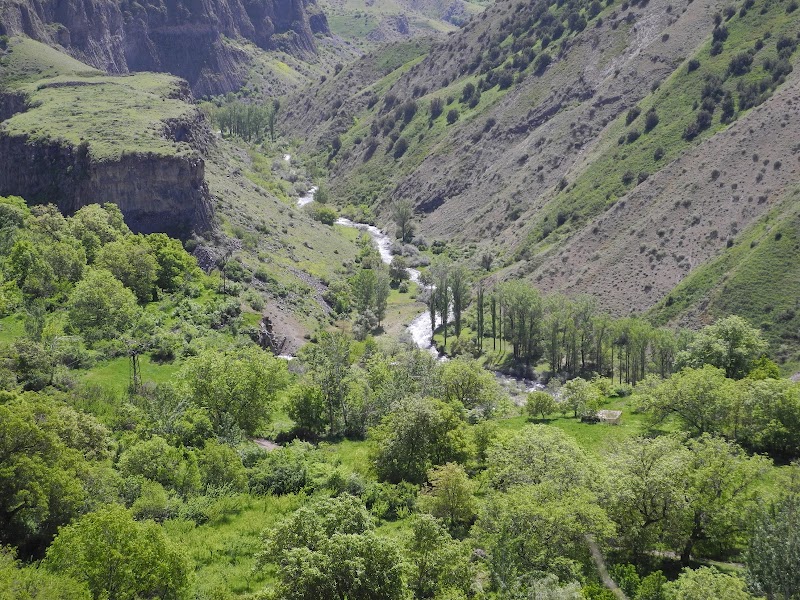
Khosrov Forest State Reserve: hikes, history and wild weather
Khosrov Forest State Reserve pairs short and long hikes with riverside greenery, wildlife interest and a deeply rooted historical narrative.
Armenia · Vagharshapat
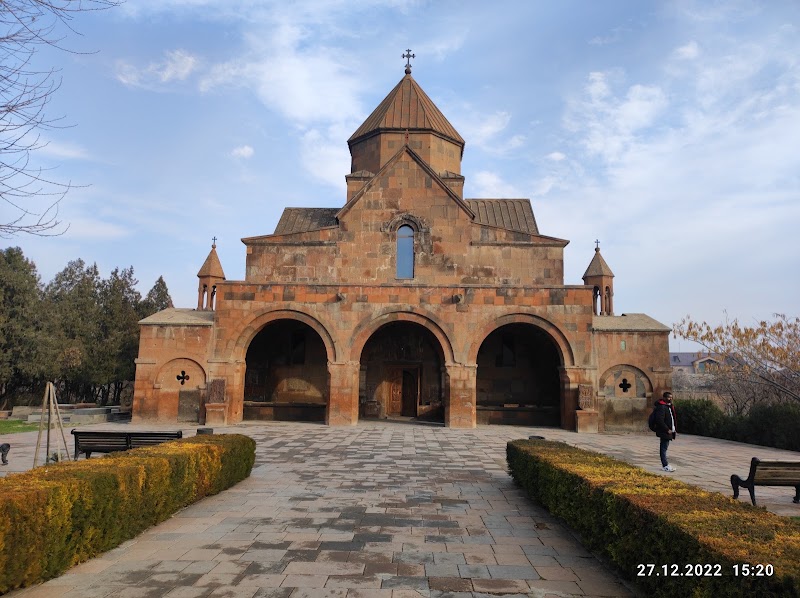
Saint Gayane Church: A Quieter Vagharshapat Stop
Strong reviews, striking church architecture and a calm garden make Saint Gayane Church a worthwhile companion to Vagharshapat’s cathedral complex.
Armenia · Tsaghkadzor
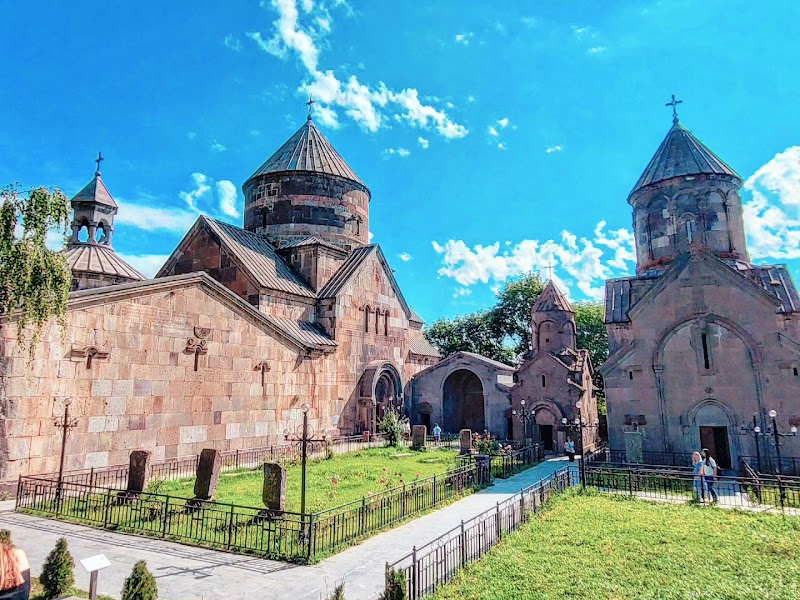
Kecharis Monastery: Stone Architecture and Quiet Atmosphere
Tsaghkadzor’s much-admired monastery complex pairs striking stone churches with a contemplative atmosphere, although renovation work may affect a visit.
Armenia · Areni
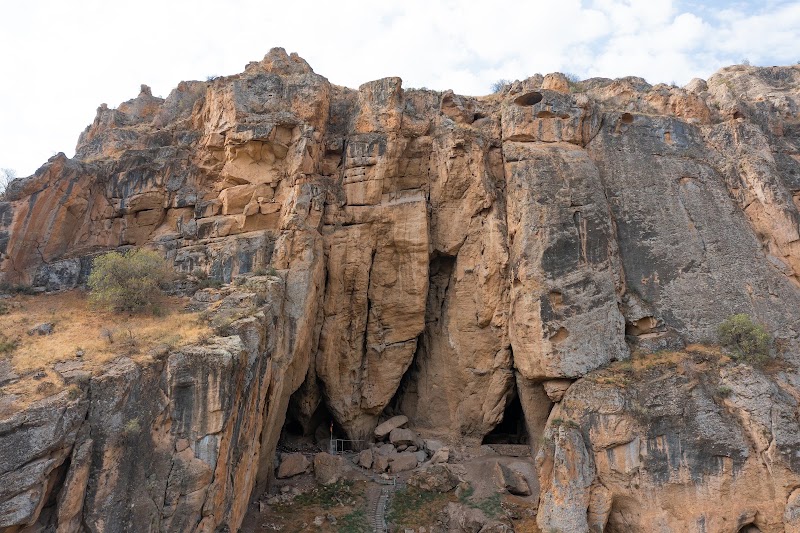
Areni-1 Cave: Armenia’s Compact Archaeological Time Capsule
A small, accessible cave where archaeological finds illuminate Armenia’s ancient winemaking and cultural history.