Alta Museum: Rock Art and Regional History
A strong indoor-outdoor museum where ancient rock carvings meet accessible exhibits on the history of Alta, Norway and Sami culture.
More photos
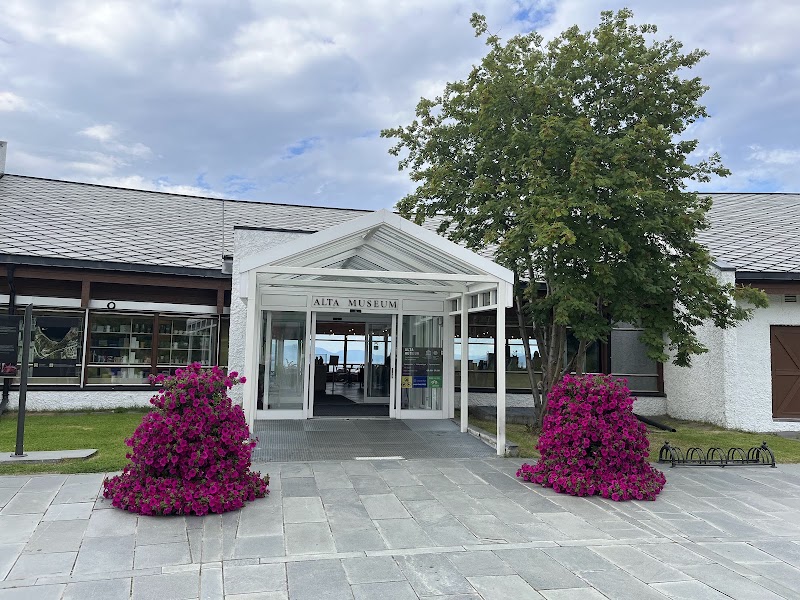


Photos published by travelers on Google, not AI generated.
What stands out
- Outdoor rock-carving trails
- Painted carvings that are easy to distinguish
- Norwegian and Sami history exhibits
- Multilingual interpretation
- Friendly, knowledgeable staff
Worth knowing
- Outdoor trails may close in heavy snow
- Unpainted carvings can be hard to see
- Full admission may apply during trail closures
Don't miss
What comes up most in public reviews
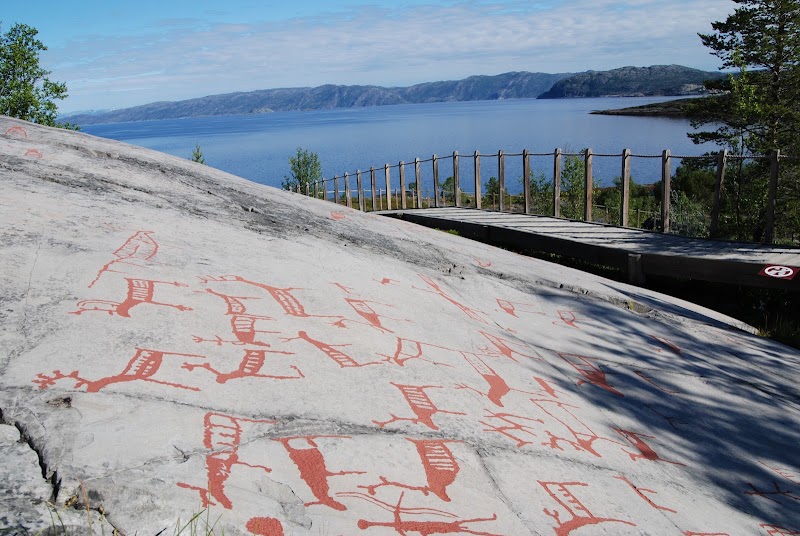
- The painted carvings on the shorter path
- The outdoor rock-art trails
- Interactive indoor history exhibits
- Displays on Norwegian and Sami history
Worth the trip?
What public reviews say
Alta Museum earns a Google rating of 4.5 from 3642 reviews, and the available feedback presents it as both an archaeological site and an informative regional museum. Visitors repeatedly praise the combination of outdoor rock carvings and indoor displays, rather than treating either part as an optional extra. The site also receives positive comments for its clear layout, multilingual information and approachable presentation.
Reviewers describe the museum and visitor center as well constructed, while staff are characterized as friendly, knowledgeable and enthusiastic about the area’s history. The overall experience appears to work for visitors who want substantial context without committing an entire day. One review calls the indoor museum small, but still finds it excellent and informative.
Walking among the carvings
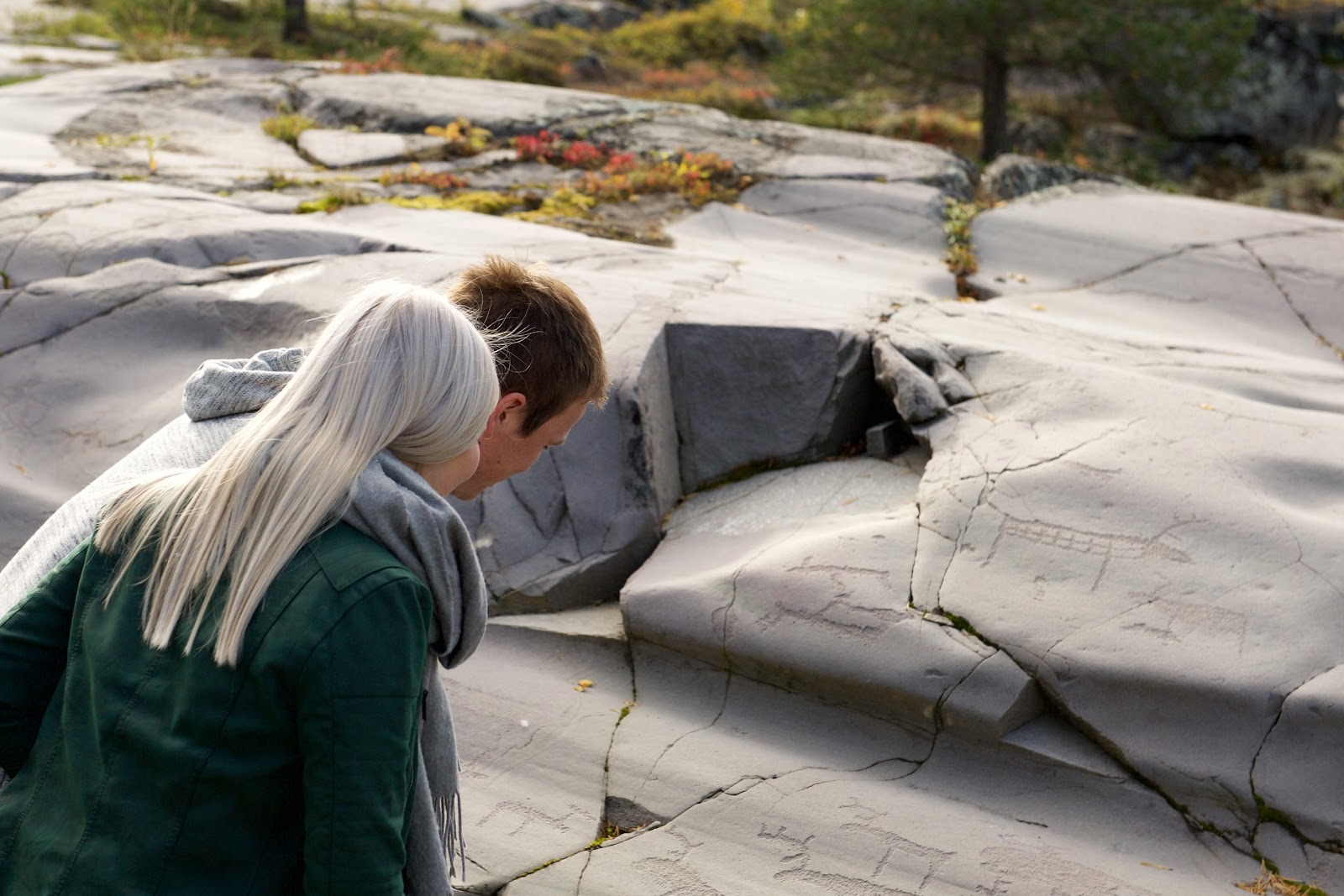
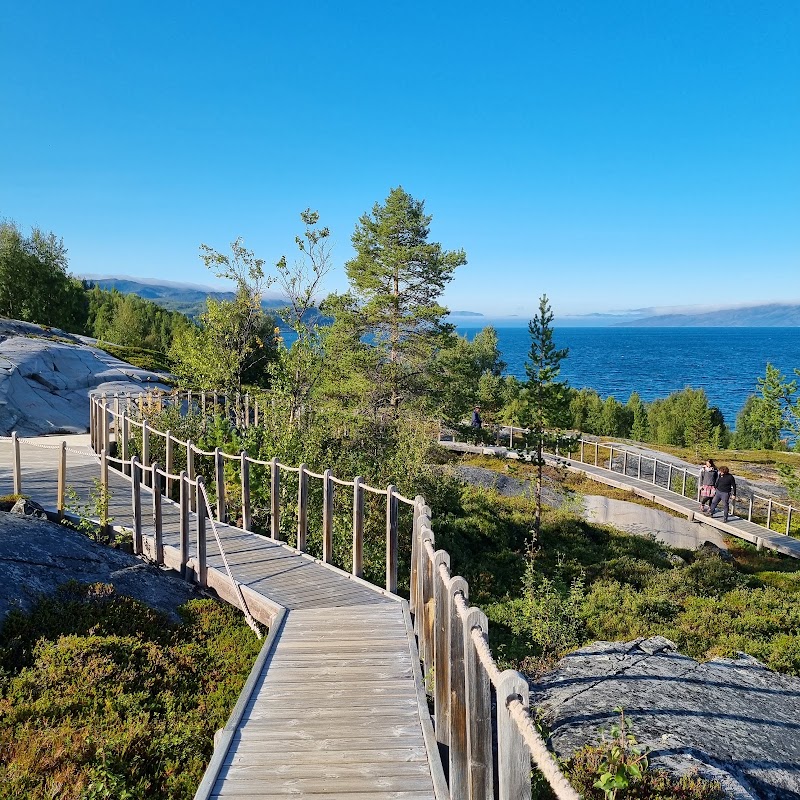
The outdoor trails are the main event for many visitors. Reviews describe them as easy to navigate, with enough space and time to study the rock art at an unhurried pace. One visitor completed the exterior routes within one to two hours, while another found the shorter path an easy option with plenty to see. That makes the site adaptable for both focused visits and more leisurely walks.
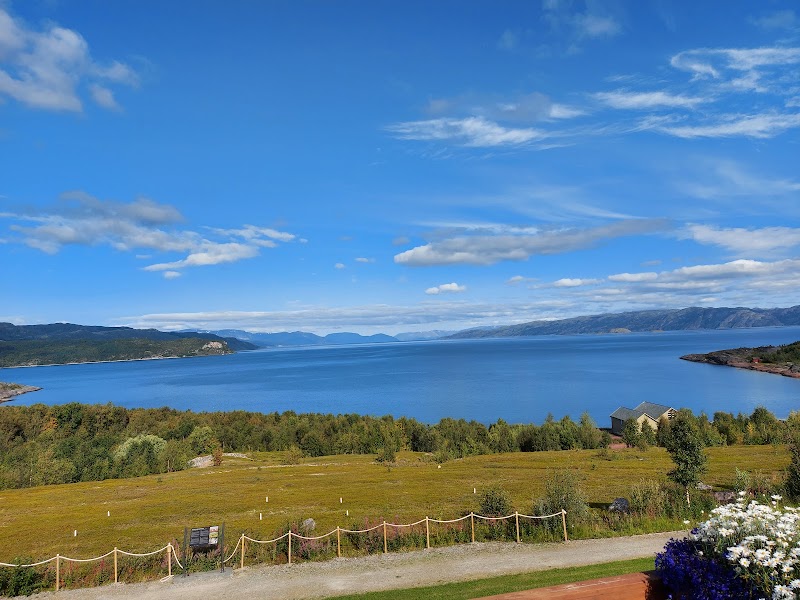
The painted carvings receive particular attention because their forms are easier to distinguish. Uncolored carvings can be much harder to see, with visibility depending on the light. This is worth remembering when expectations are centered on immediately legible images. The surrounding area also adds to the appeal, with the walk itself described as beautiful.
Inside the museum
Indoor exhibits provide the historical framework that helps make sense of the carvings and the wider region. Public reviews highlight coverage of Norwegian and Sami history, supported by information in several languages. The museum is also described as interactive, informative and capable of teaching visitors a great deal without feeling overly dense.
A free audio guide was especially useful to one reviewer, adding explanation during the outdoor portion. Combined with the written interpretation, it appears to make the site manageable for independent visitors who prefer to explore at their own pace. The strongest experience comes from pairing these indoor displays with the carvings rather than choosing between them.
Timing and limitations
Weather is the clearest practical concern. Heavy snow and slippery conditions can close the exterior walk, leaving access limited to the indoor museum. One reviewer understood the safety decision but was disappointed that the admission remained unchanged when roughly half the attraction was unavailable. Checking outdoor access before arrival would therefore be sensible during snowy periods.
Lighting also matters. The unpainted carvings may be difficult to identify when conditions are unfavorable, while the painted section offers more immediate visual impact. For most visitors, half a day should allow time for the museum, interpretation and at least one outdoor route. The broad verdict from public feedback is positive: this is an accessible, well-presented introduction to Alta’s rock art and regional history, provided the exterior paths are open.
Ask anything
Looking for somewhere else?
Keep exploring around Alta
More from Norway
Norway
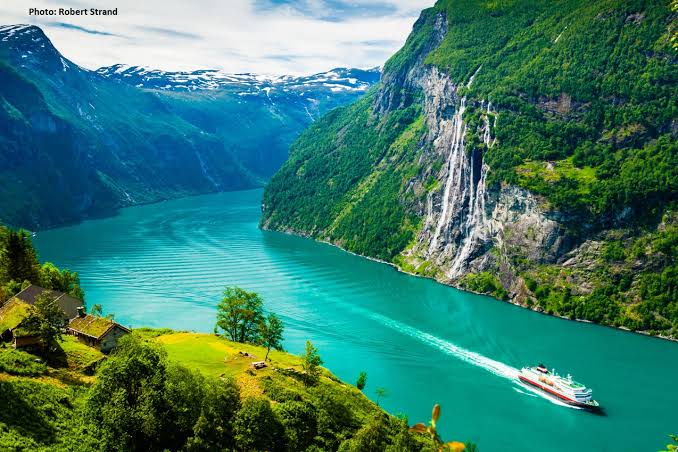
Geirangerfjord: Big Scenery Beyond the Busy Village
Boat cruises, cliffside waterfalls and high-road viewpoints make Geirangerfjord a standout, though crowds can temper the experience.
Norway · Myrdal
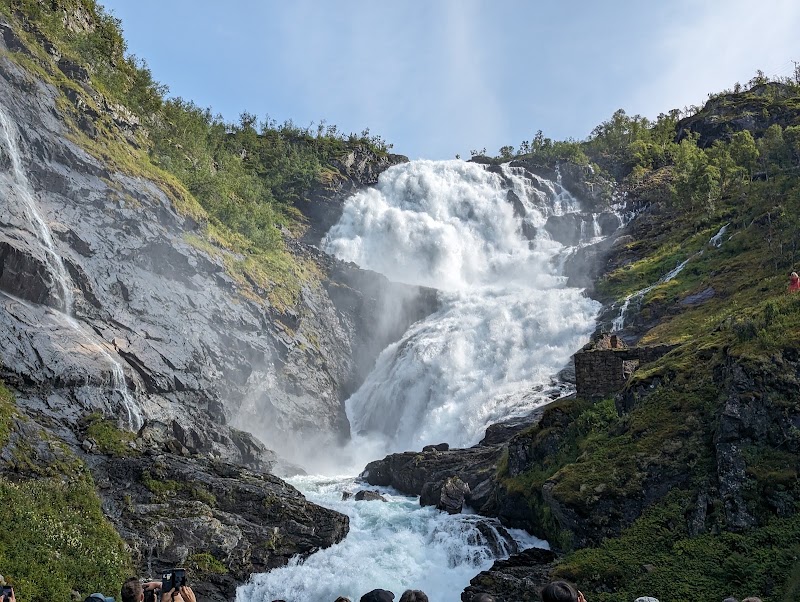
Kjosfossen: A Thunderous Stop on the Flåm Railway
This powerful, spray-soaked waterfall delivers one of the Flåm Railway’s most dramatic moments, albeit during a very short platform stop.
Norway · Tjøme
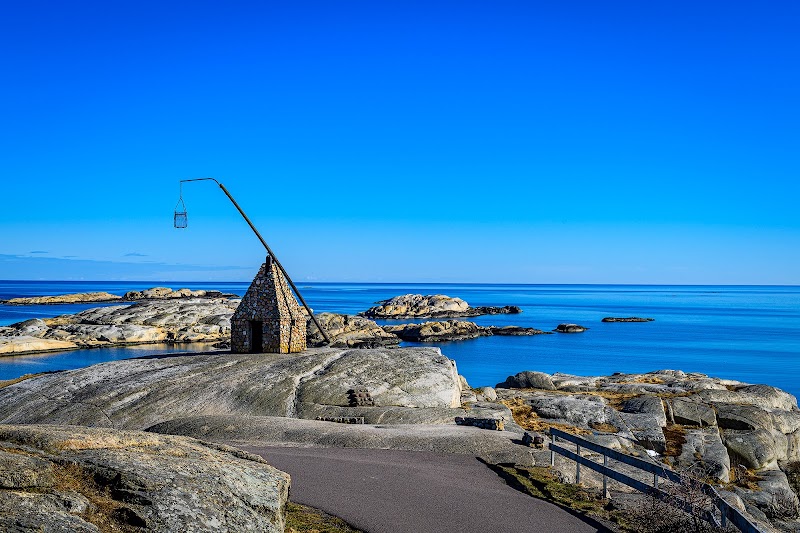
World’s End: sea views and rock walks on Tjøme
Verdens Ende pairs panoramic coastal scenery with rocky walks, swimming spots and its distinctive tilting lighthouse.
Norway · Borgund
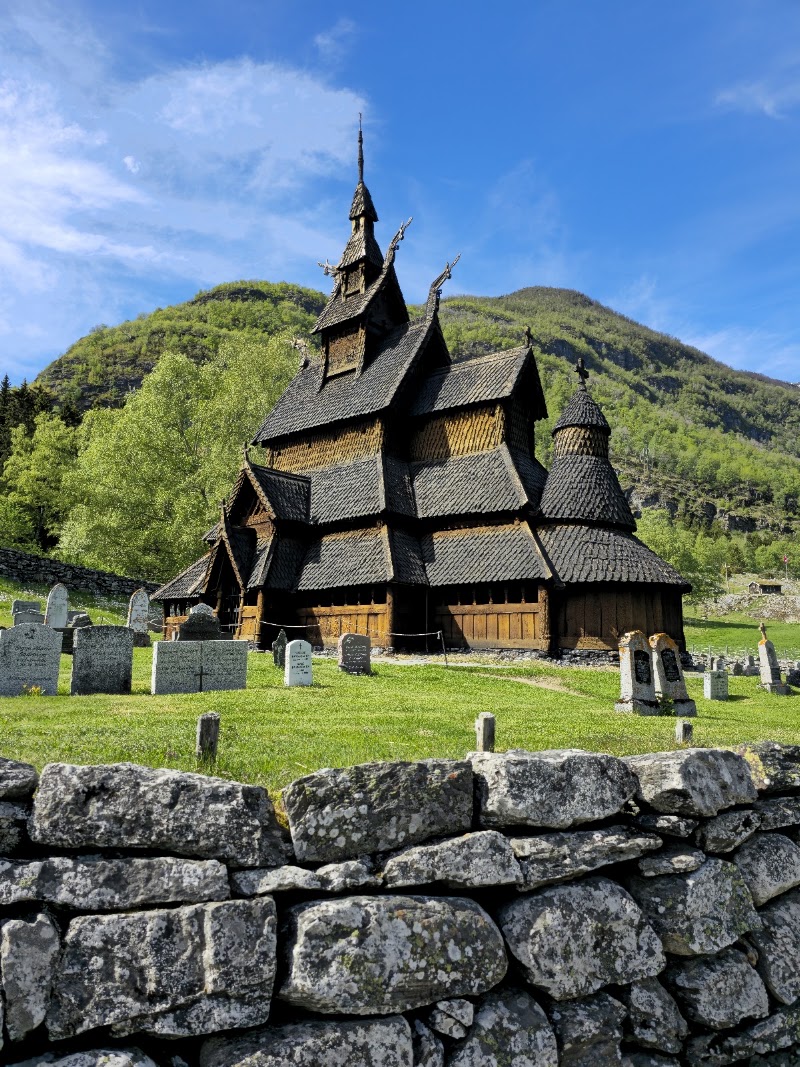
Borgund Stave Church: Medieval Craftsmanship in Lærdal
Borgund Stave Church pairs striking medieval wooden architecture with a useful visitor centre and access to the scenic Vindhellavegen trail.