Alexander Nevsky Cathedral: Tallinn’s Landmark Domes
On Toompea Hill, this active Orthodox cathedral draws strong praise for its onion domes, mosaics, icons and richly gilded interior.

More photos
Photos published by travelers on Google, not AI generated.
What stands out
- Five onion domes and golden crosses
- Russian Revival and Neo-Byzantine design
- Ornate mosaics and icons
- High, richly gilded interior
Worth knowing
- Photography may be restricted inside
- Active place of worship
Don't miss
What comes up most in public reviews
- The five onion domes
- Exterior mosaics
- Interior icons and gilded decoration
- The cathedral’s high ceiling
Worth the trip?
Why it stands out
Few buildings in Tallinn’s Old Town are as visually distinctive as Alexander Nevsky Cathedral. The public feedback is emphatic. It has a Google rating of 4.6 from 9351 reviews, and reviewers repeatedly praise its dramatic exterior and richly decorated interior. Many call it an essential Tallinn sight. Some go further, describing it as the city’s most beautiful church.
Its position on Toompea Hill is hard to miss. Five onion domes rise above dark, rounded rooflines, each topped by a golden cross, giving the cathedral a silhouette quite unlike the Western European churches many travellers see elsewhere in the region. That sharp contrast accounts for much of its appeal.
The cathedral was built between 1894 and 1900, during Russian rule, and combines Russian Revival and Neo-Byzantine influences. Dedicated to Saint Alexander Nevsky, it remains an active Russian Orthodox place of worship. It is not simply a visitor attraction.
Exterior architecture
No exterior feature receives more attention in the available reviews than the onion domes. Their size and unmistakable outline make the cathedral instantly recognisable. Up close, the golden crosses and ornate façade details come into focus. Reviewers also return often to the exterior mosaics, which bring colour and religious imagery to an otherwise imposing composition.
The Toompea Hill setting adds to the effect. Travellers following an Old Town walk or joining a guided tour frequently meet the cathedral as a defining part of Tallinn’s historic skyline. Even those with little interest in religious buildings may find the Russian-inspired design, set against the surrounding cityscape, worth stopping for.
Inside the cathedral
According to public reviews, the interior lives up to the exterior. The high ceiling, icons, mosaics and extensive gilded decoration are recurring points of praise. It feels ornate and ceremonial, with sacred art filling much of the visual field.
The cathedral is still used for worship, so visitors should treat it as a religious space rather than an architectural exhibit. One reviewer who visited during Holy Week reported being told not to take photographs inside. Expectations around photography may therefore differ from those at a conventional tourist site, especially during services or important dates in the Orthodox calendar. The safest option is to check the instructions on arrival.
What visitors experience inside may also depend on what is happening at the time. The supplied reviews do not identify a preferred visiting hour or season. Access and photography conditions should not be assumed to remain identical on every visit.
Editorial verdict
Synthesised review patterns put Alexander Nevsky Cathedral among Tallinn’s strongest architectural attractions. Its exterior delivers the memorable skyline image. Inside, the icons, mosaics and gilded decoration make entering worthwhile too.
The cathedral’s associations with Russian rule add historical weight, while its continuing religious role connects the building with present-day worship. For travellers exploring Tallinn’s Old Town, it fits naturally into a focused stop on Toompea Hill. The best approach is unhurried: examine the façade details first, then enter quietly and follow any guidance on photography.
Plan the rest of the trip
Ask anything
Looking for somewhere else?
Keep exploring around Tallinn
More from Estonia
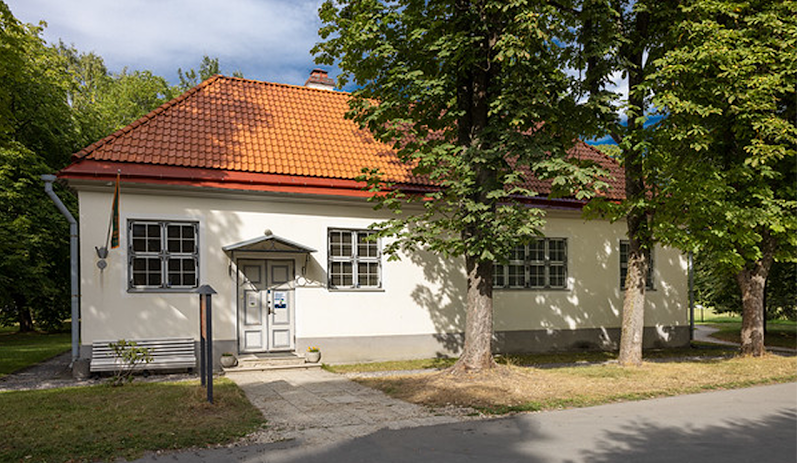
Estonia · Tallinn
Peter the Great House Museum: Small, Personal and Informative
Public reviews describe a compact Tallinn museum where original objects and exceptionally engaged staff make a short visit feel much richer.
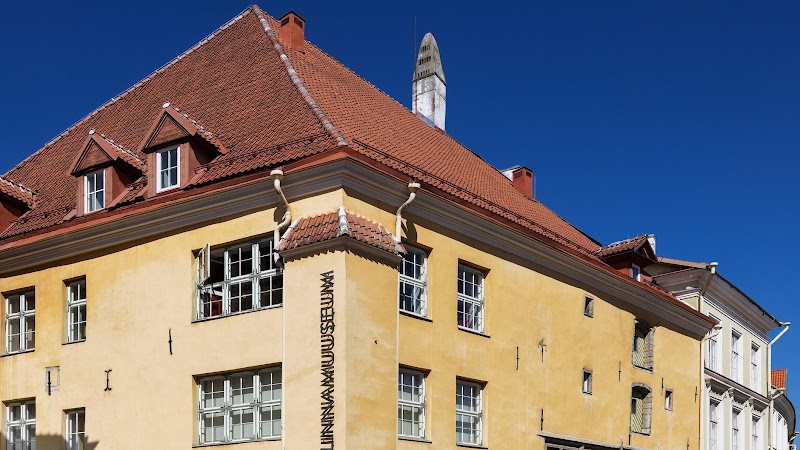
Estonia · Tallinn
Tallinn City Museum Makes Local History Interactive
This compact museum uses historic rooms, household objects and playful exhibits to explain how Tallinn’s people lived and worked.
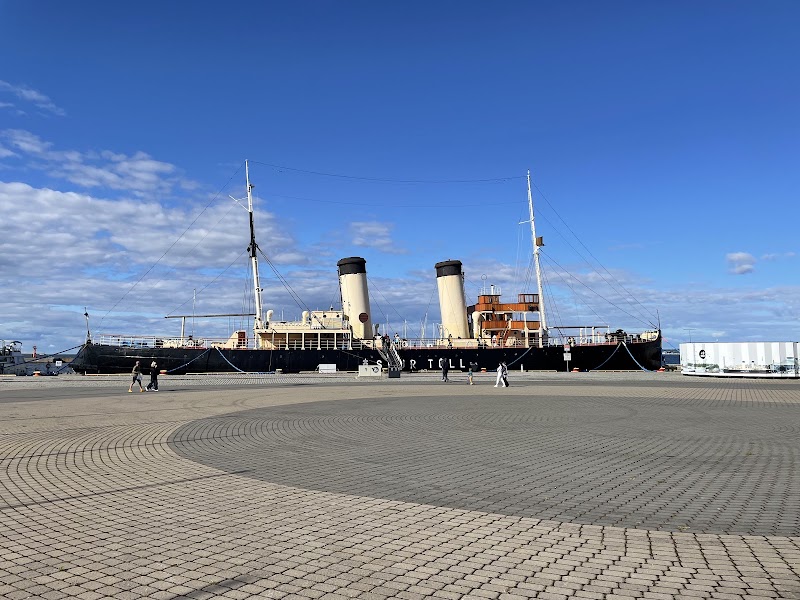
Estonia · Tallinn
Suur Tõll: Tallinn’s Preserved Steamship to Explore
This historic icebreaker offers a close look at shipboard life, with access to the engine room, cabins and deck through the adjacent maritime museum.
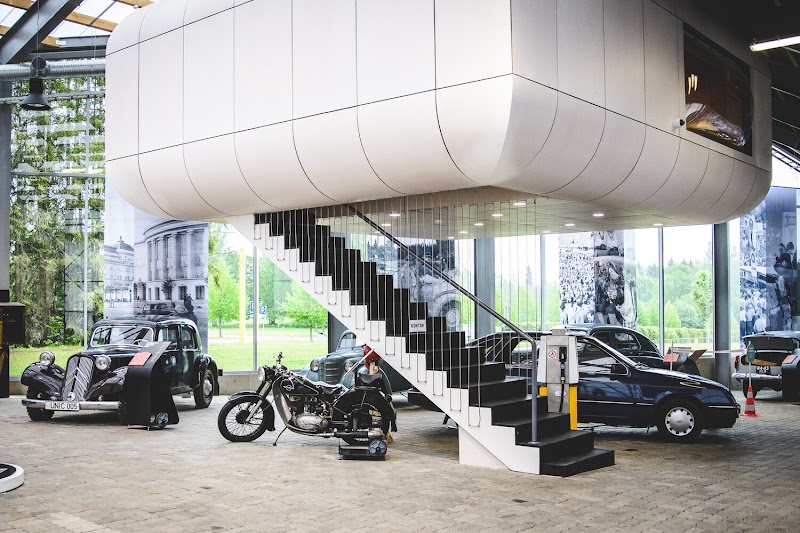
Estonia · Kanepi vald
Estonian Road Museum Makes Transport History Hands-On
Interactive exhibits, historic vehicles and family spaces make this Kanepi vald museum a strong stop for curious adults and children.