Al Hoota Cave: An Accessible Underground Adventure
Walkways, dramatic rock formations and an underground lake make Al Hoota Cave a compelling half-day stop near Al Hamra.
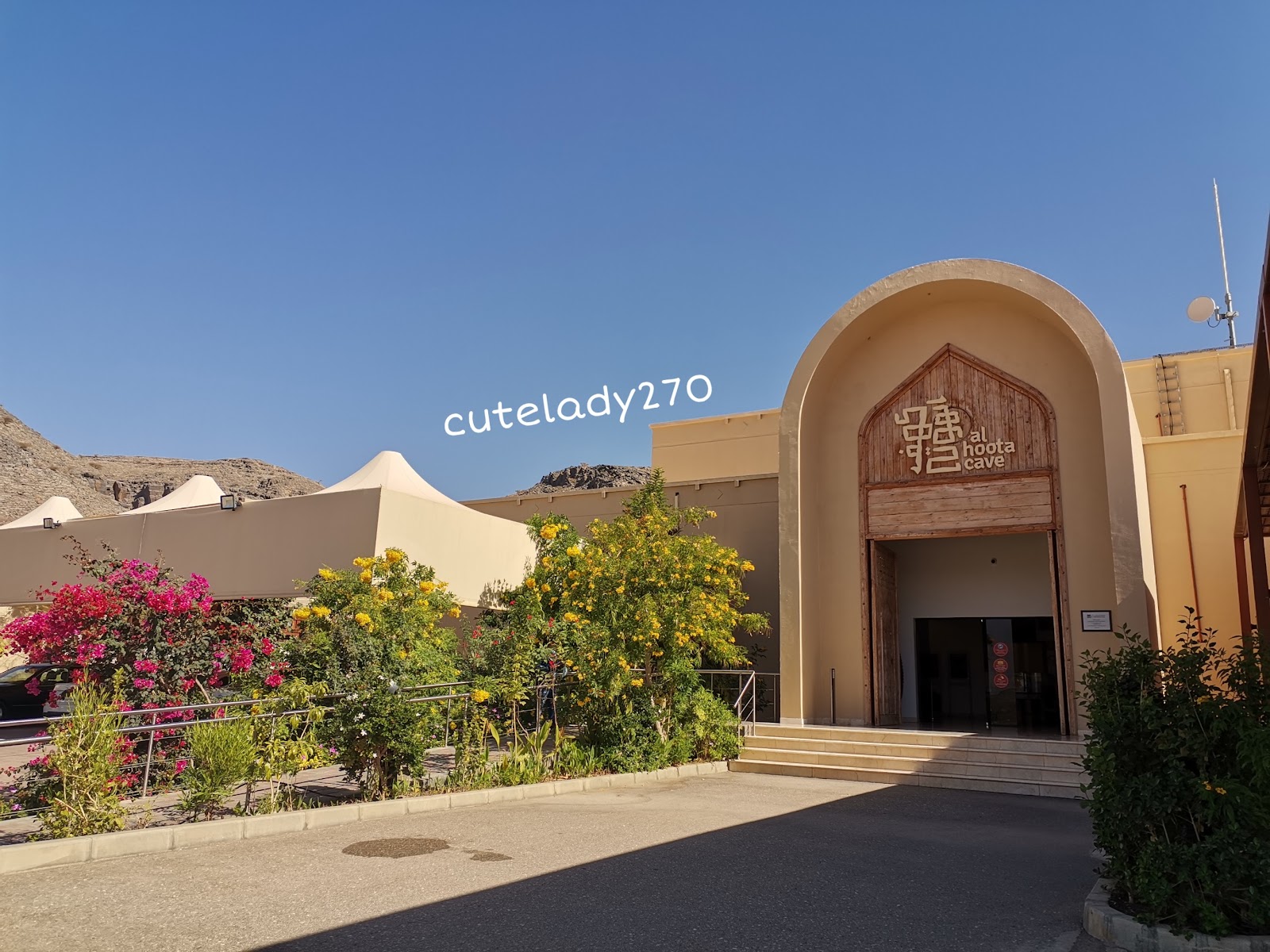
More photos
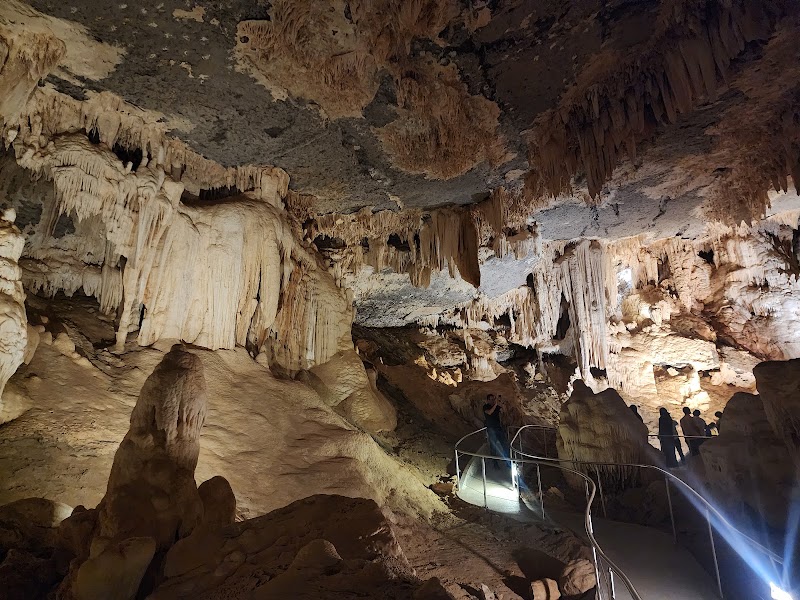


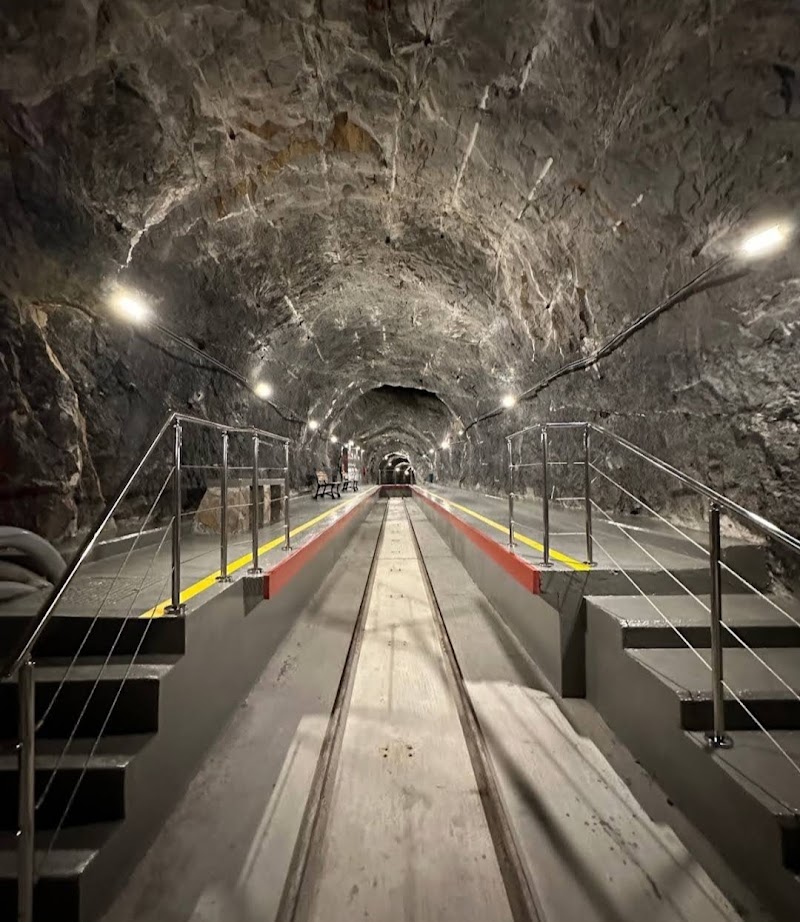
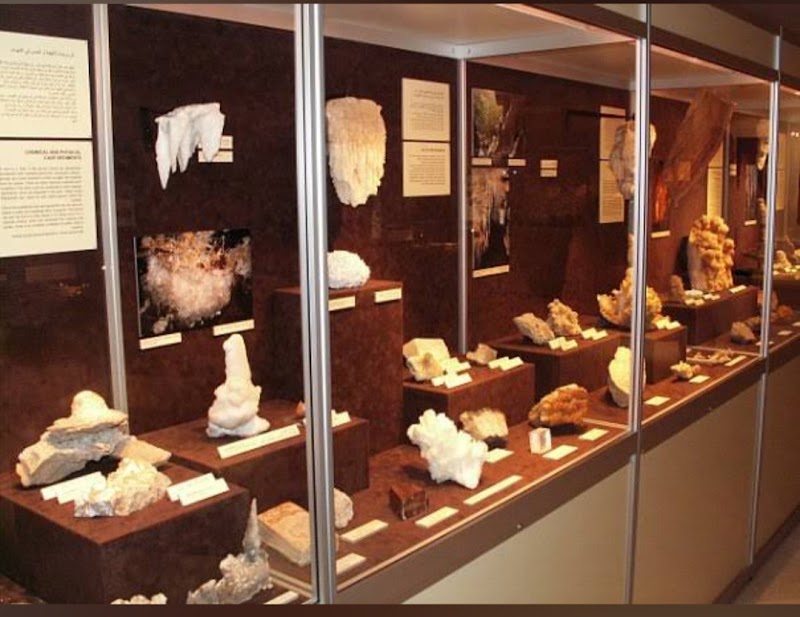
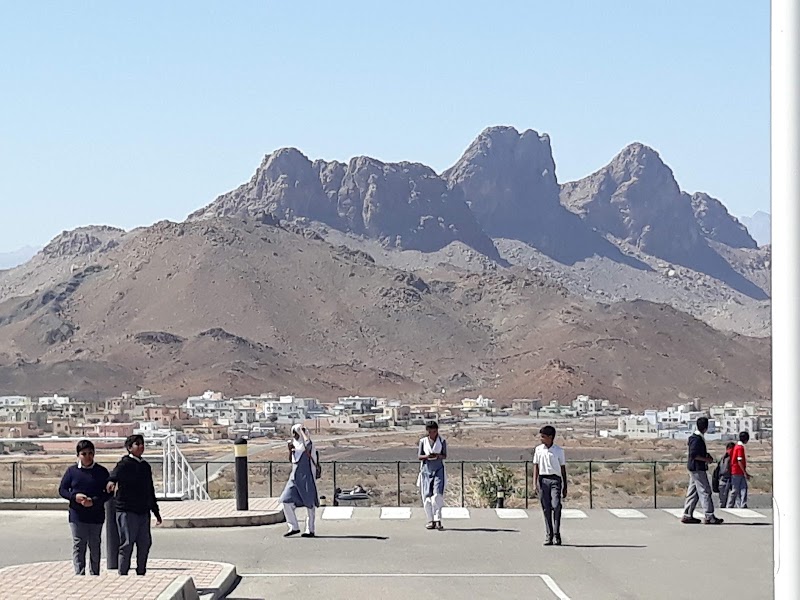
Photos published by travelers on Google, not AI generated.
What stands out
- Stalactites and stalagmites
- Underground lake and blind fish
- Stairs and visitor walkways
- Geology and wildlife museum
- Technical caving experience
Worth knowing
- Guided visits may run only at specific times
- Technical caving requires decent swimming skills
Don't miss
What comes up most in public reviews
- Underground lake
- Blind cave fish
- Stalactites and stalagmites
- Cave geology and wildlife museum
Worth the trip?
Why visit
Al Hoota Cave earns a Google rating of 4.3 from 3817 reviews, with visitors repeatedly praising both its natural scale and the work undertaken to make the underground environment accessible. Reviews describe a substantial cave system filled with stalactites, stalagmites and striking rock formations, although only part of it is open to general visitors.
The appeal is broader than geology alone. Public reviews frequently mention the underground lake and its blind fish, while bats and other cave wildlife also feature in visitor accounts. The cave’s controlled route, stairs and constructed walkways allow a wide range of travellers to experience a setting that would otherwise require specialist caving skills.
The standard visitor experience
For most people, the regular tour is the sensible choice. Reviews describe a comfortable route through the accessible section of the cave, with stairs, walkways and some explanatory signs. Several visitors consider it suitable for children, though families should still expect an underground walk with changes in level.
A small electric train to the cave entrance is singled out as an enjoyable beginning, particularly for younger visitors. Inside, the main visual rewards are the sculpted mineral formations, varied colours and the contrast between broad chambers and the underground water.
Guided visits may provide more context than the signs alone. One reviewer notes that guides operate only at specific times, so checking the day’s schedule before arrival is worthwhile. The experience can otherwise feel more observational than interpretive for travellers who want detailed geological explanations.
Museum and specialist tours
The museum beside the ticket office adds useful context before or after the cave. Reviews highlight rock samples, local geology and displays relating to the animals found inside Al Hoota. It is more than a waiting area and helps explain what visitors see underground.
Adventure-focused reviews also describe a separate technical caving experience led by professional guides, with equipment provided when required. This is not the same as the standard walkway tour. Reports mention swimming through long underground pools, including a final pool said to extend for more than 800 metres, so decent swimming ability is recommended. Travellers interested in that option should confirm requirements, availability and the precise format directly with the attraction.
Who will enjoy it
Al Hoota Cave works particularly well for families, geology enthusiasts and travellers exploring the Al Hamra and Jebel Shams area. Its principal strength is accessibility: visitors can see a large natural cave environment without committing to a demanding expedition.
The clearest public-review consensus centres on the cave’s size, formations, lake and visitor-friendly infrastructure. The museum strengthens the visit, while guided and technical experiences offer different levels of depth. A half-day allows time for the cave route and museum without rushing, subject to the timing of tours and entry arrangements.
Ask anything
Looking for somewhere else?
Keep exploring around الحمراء
More from Oman
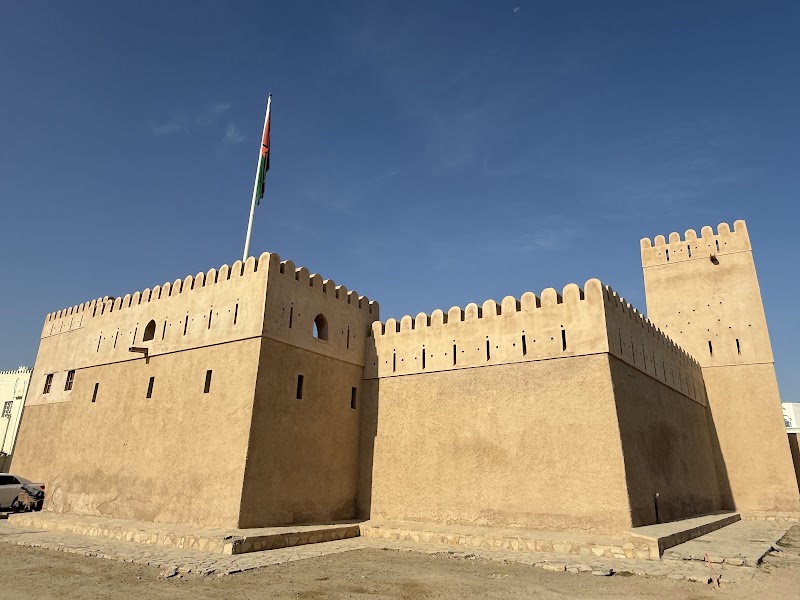
Oman · Sur
Al Ayjah Castle: A Brief Look at Sur’s Fort Architecture
This compact, renovated castle in old Sur offers accessible towers and rooms, but limited interpretation and sparse interiors.
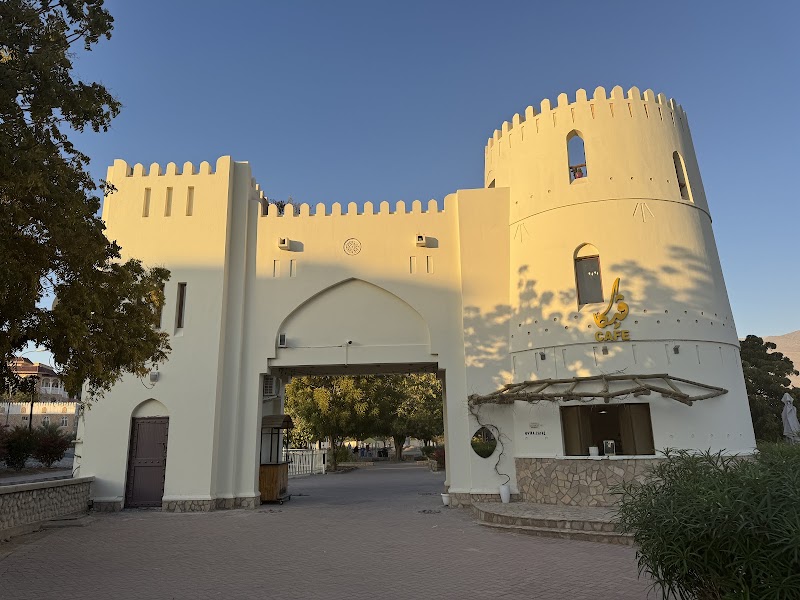
Oman · Nizwa
Falaj Daris Park: Green Space and Irrigation Heritage
This relaxed Nizwa park pairs lawns and family space with flowing water from Oman’s historic Falaj Daris irrigation system.
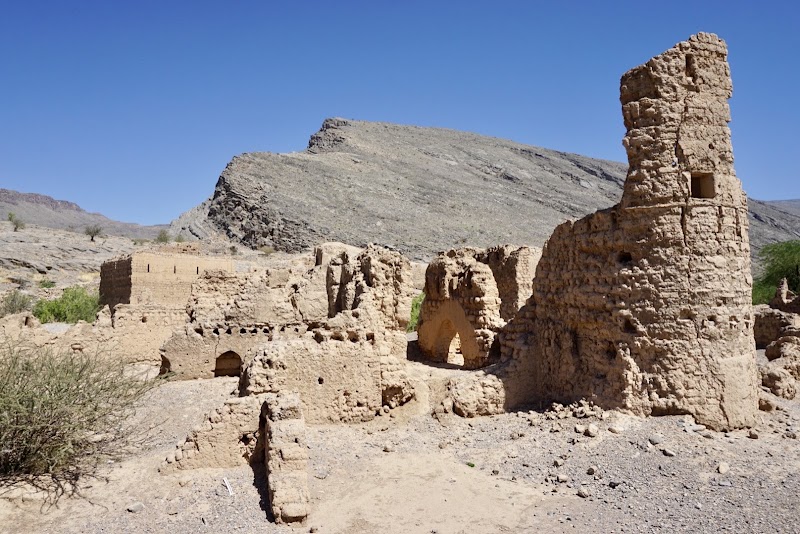
Oman · Tanuf
Tanuf Castle Ruins: A Quiet Window into Old Oman
Near Nizwa, these atmospheric ruins offer traditional architecture, uncrowded exploration and strong photography potential in a compact stop.

Oman · Muscat
The National Museum of Oman: A Clear Guide to the Sultanate
Muscat’s National Museum earns strong marks for thoughtful displays covering Omani history, maritime ties, faith, culture and royal heritage.