Al Alam Palace: Muscat’s Colourful Photo Stop
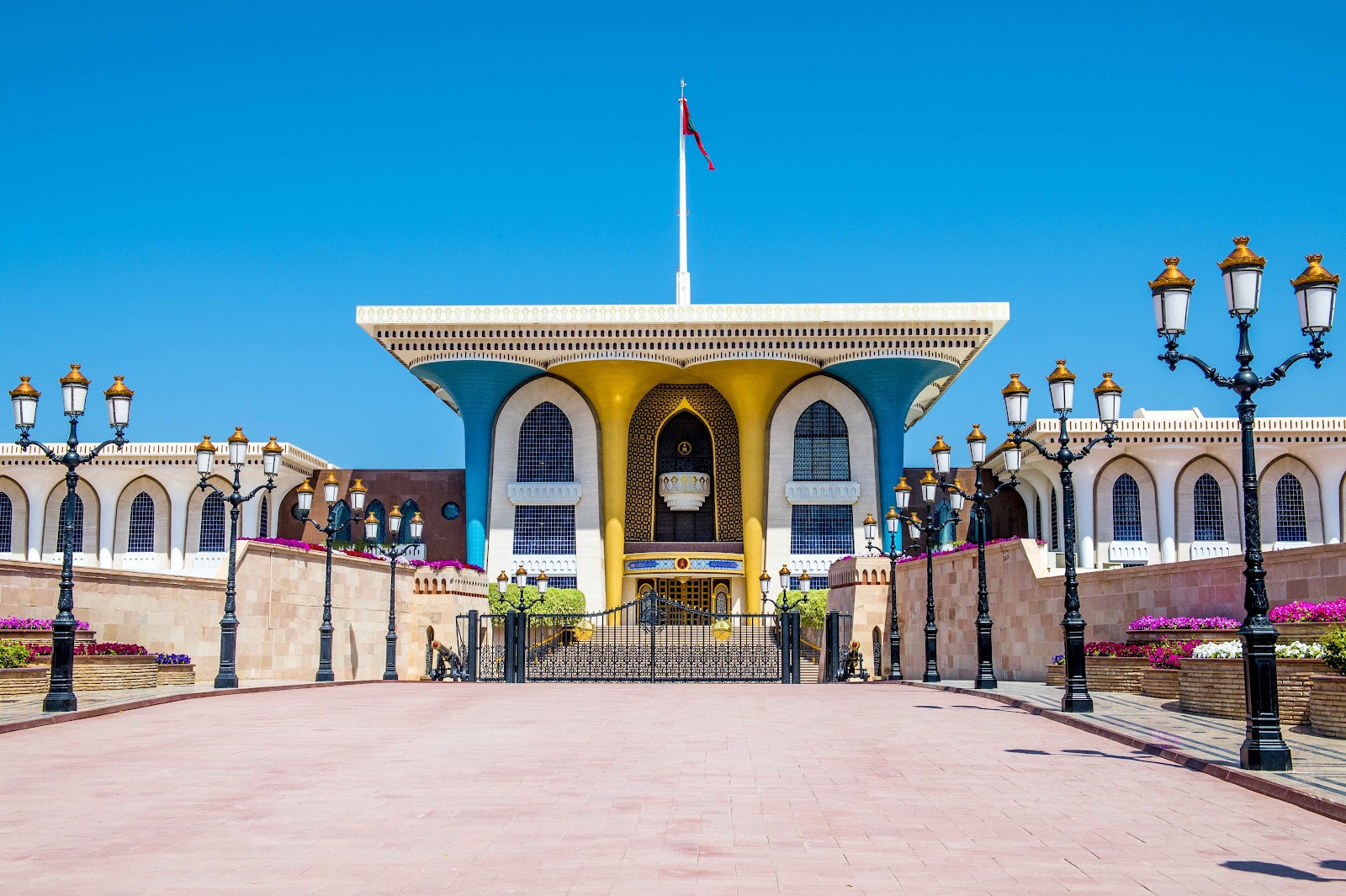
Distinctive architecture, immaculate surroundings and a peaceful atmosphere make Al Alam Palace a rewarding outdoor stop in central Muscat.
More photos



Photos published by travelers on Google, not AI generated.
What stands out
- Colourful, distinctive palace architecture
- Peaceful and well-maintained surroundings
- Excellent backdrop for photographs
- Calm walking environment
Worth knowing
- No entry to the palace or compound
- The exterior-only visit may be brief
Don't miss
What comes up most in public reviews
- Photograph the colourful palace facade
- Walk around the maintained surroundings
- Admire the traditional Omani architectural details
Worth the trip?
Why travellers stop here
Al Alam Palace ranks among Muscat’s most recognisable landmarks, with a Google rating of 4.6 from 6724 reviews. Public feedback consistently focuses on the building’s colourful, unusual architecture and the tidy setting around it. Many visitors describe it as one of the city’s most beautiful sights, particularly for photography.
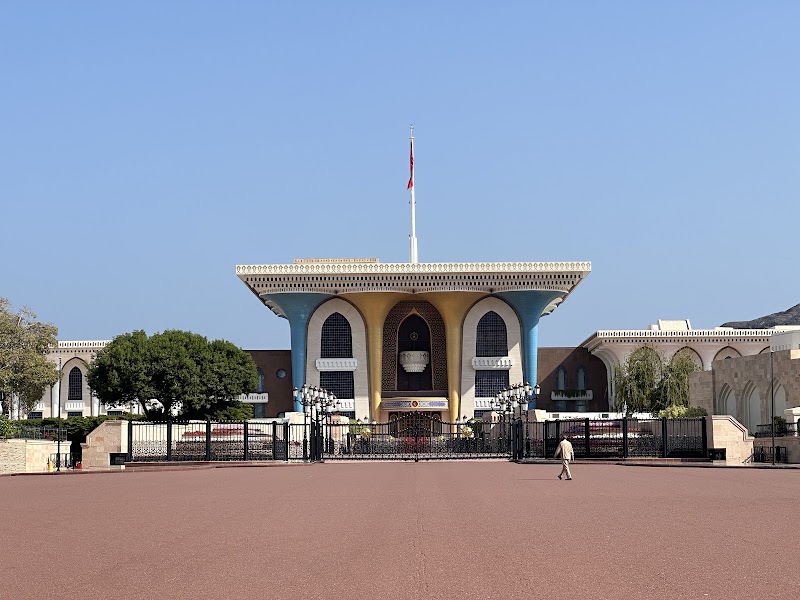
This is primarily an exterior attraction. Travellers come to admire the palace from the public approach, stroll around the surrounding area and photograph the facade. Reviews do not suggest an extensive attraction with indoor exhibits or a formal tour. Instead, the appeal lies in seeing a distinctive Muscat landmark at close range and taking in its carefully maintained surroundings.
Architecture and atmosphere
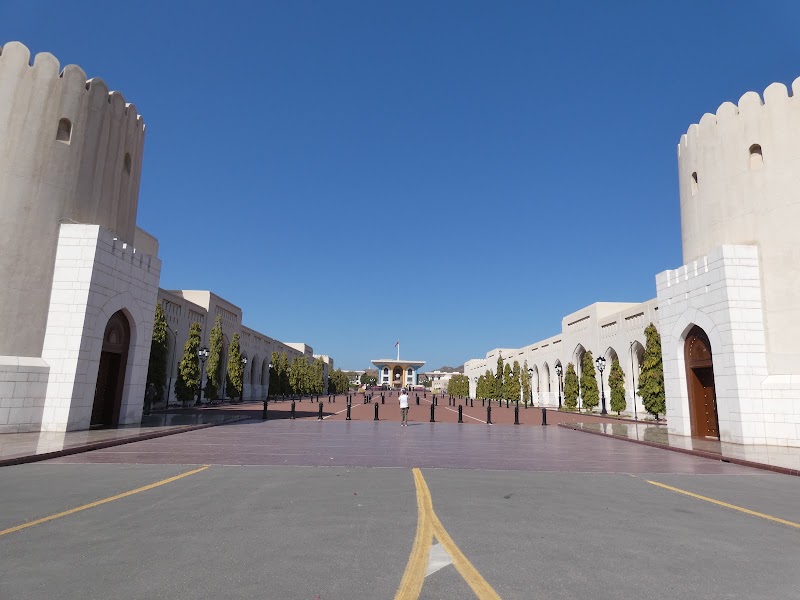
The palace’s colour and design receive the strongest praise. Reviewers repeatedly call the architecture unique or distinctive, while several connect its appearance to Omani character and traditional design. The broad approach and formal landscaping also provide clear sightlines, making the palace an effective backdrop for portraits, family pictures and wider architectural shots.
The atmosphere is another recurring strength. Visitors describe the area as clean, calm and peaceful, with weekday accounts noting little crowding. That makes it suitable for a gentle walk rather than a rushed sightseeing stop. Families, groups of friends and solo visitors all appear to find the setting approachable.
The gardens and well-kept surroundings add interest, although reviews place the palace exterior firmly at the centre of the experience. One account also mentions a nearby mosque, toilets and ample parking, but these practical details are less consistently reported than the architecture and atmosphere.
Access and expectations
The main limitation is clear: visitors cannot enter the palace or its compound. Multiple reviews stress that the experience is limited to outside views and photographs. Travellers expecting ornate rooms, displays or access to the formal grounds may therefore find the visit brief.
Those expectations matter when planning time. Al Alam Palace works best as a short sightseeing stop while exploring Muscat rather than as a half-day attraction in its own right. Its visual impact and serene setting still make the exterior worthwhile, especially for first-time visitors interested in architecture or photography.
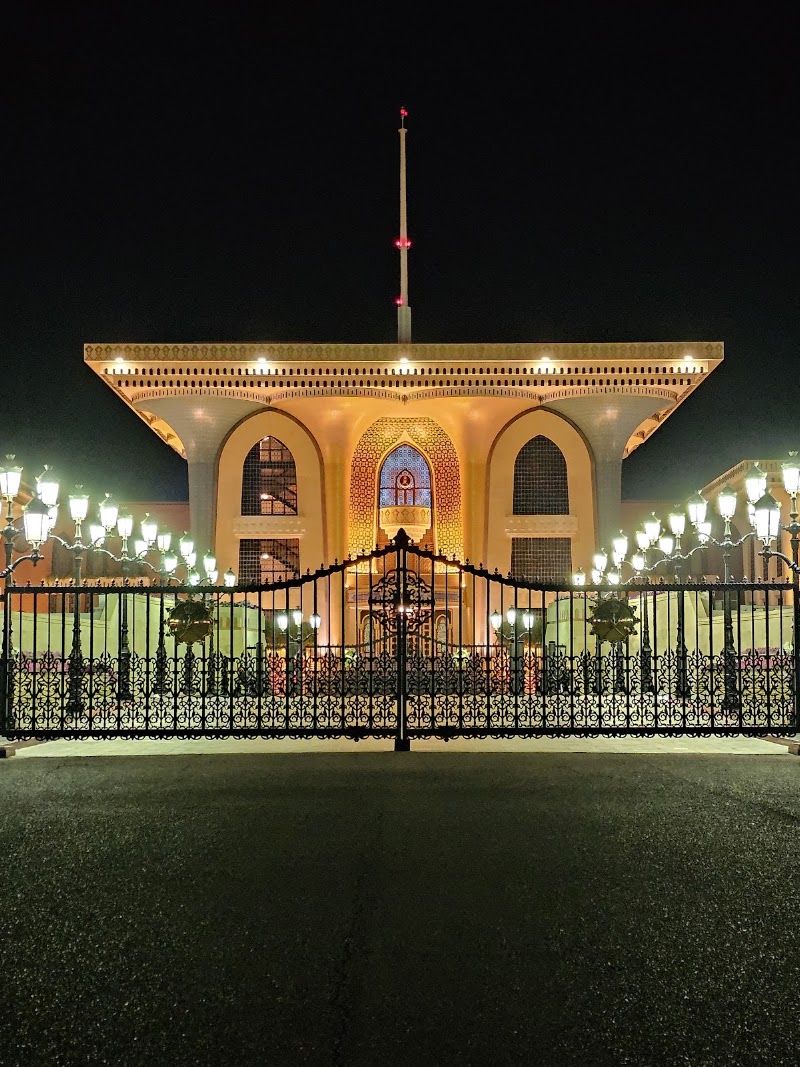
Early morning and afternoon are recommended in public feedback, while a weekday visit may provide a quieter experience. A family review also found the area peaceful at night, though daytime offers the clearest opportunity to appreciate the colours and surrounding architecture.
Editorial verdict
Synthesised review sentiment is strongly positive. Travellers value the palace for its memorable facade, photogenic approach, clean surroundings and relaxed atmosphere. Criticism is limited, but the lack of interior access substantially defines the experience.
Al Alam Palace is best treated as an elegant visual landmark rather than an immersive palace visit. It earns its place on a Muscat itinerary when paired with other nearby sightseeing, offering a calm walk and one of the city’s most distinctive architectural photo opportunities.
Ask anything
Looking for somewhere else?
Keep exploring around Muscat
More from Oman
Oman · Sur
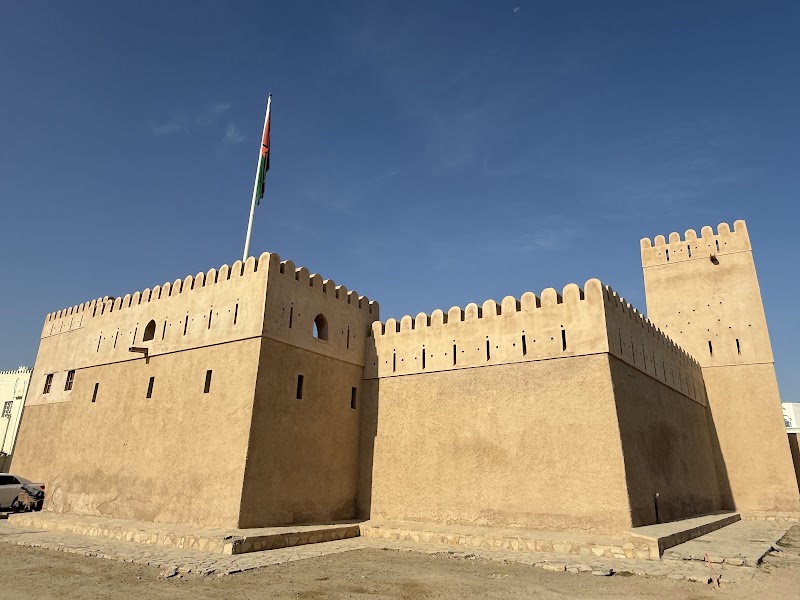
Al Ayjah Castle: A Brief Look at Sur’s Fort Architecture
This compact, renovated castle in old Sur offers accessible towers and rooms, but limited interpretation and sparse interiors.
Oman · Nizwa
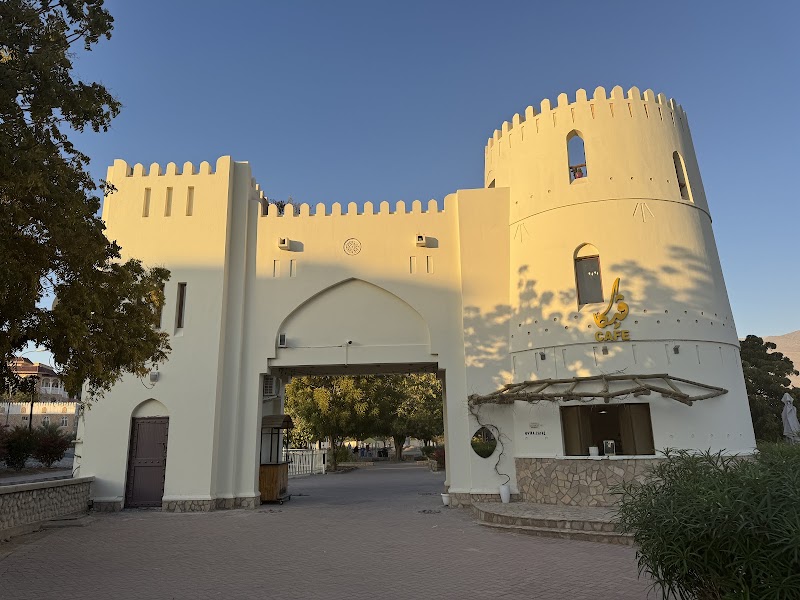
Falaj Daris Park: Green Space and Irrigation Heritage
This relaxed Nizwa park pairs lawns and family space with flowing water from Oman’s historic Falaj Daris irrigation system.
Oman · Tanuf
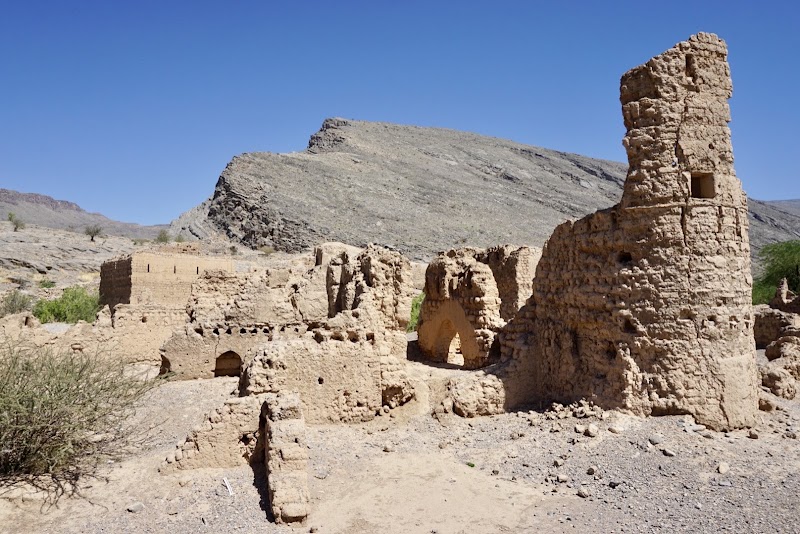
Tanuf Castle Ruins: A Quiet Window into Old Oman
Near Nizwa, these atmospheric ruins offer traditional architecture, uncrowded exploration and strong photography potential in a compact stop.
Oman · Muscat
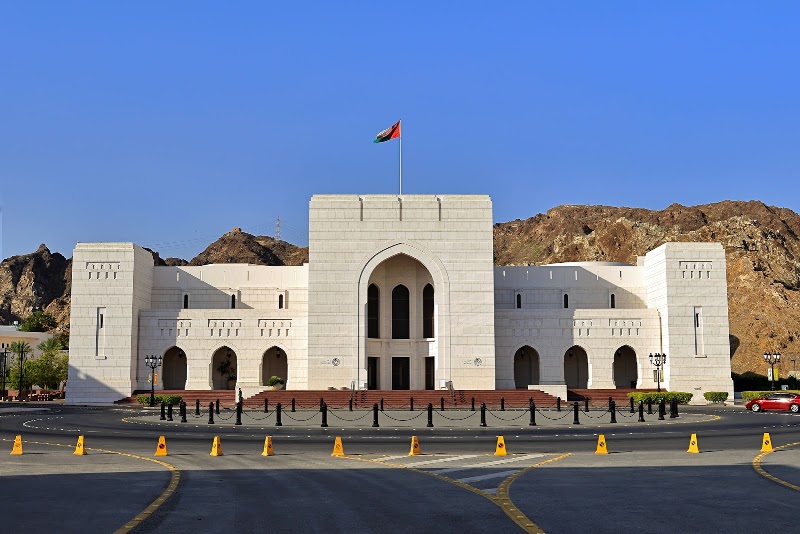
The National Museum of Oman: A Clear Guide to the Sultanate
Muscat’s National Museum earns strong marks for thoughtful displays covering Omani history, maritime ties, faith, culture and royal heritage.