Ak-Saray Palace: Monumental Ruins in Shahrisabz
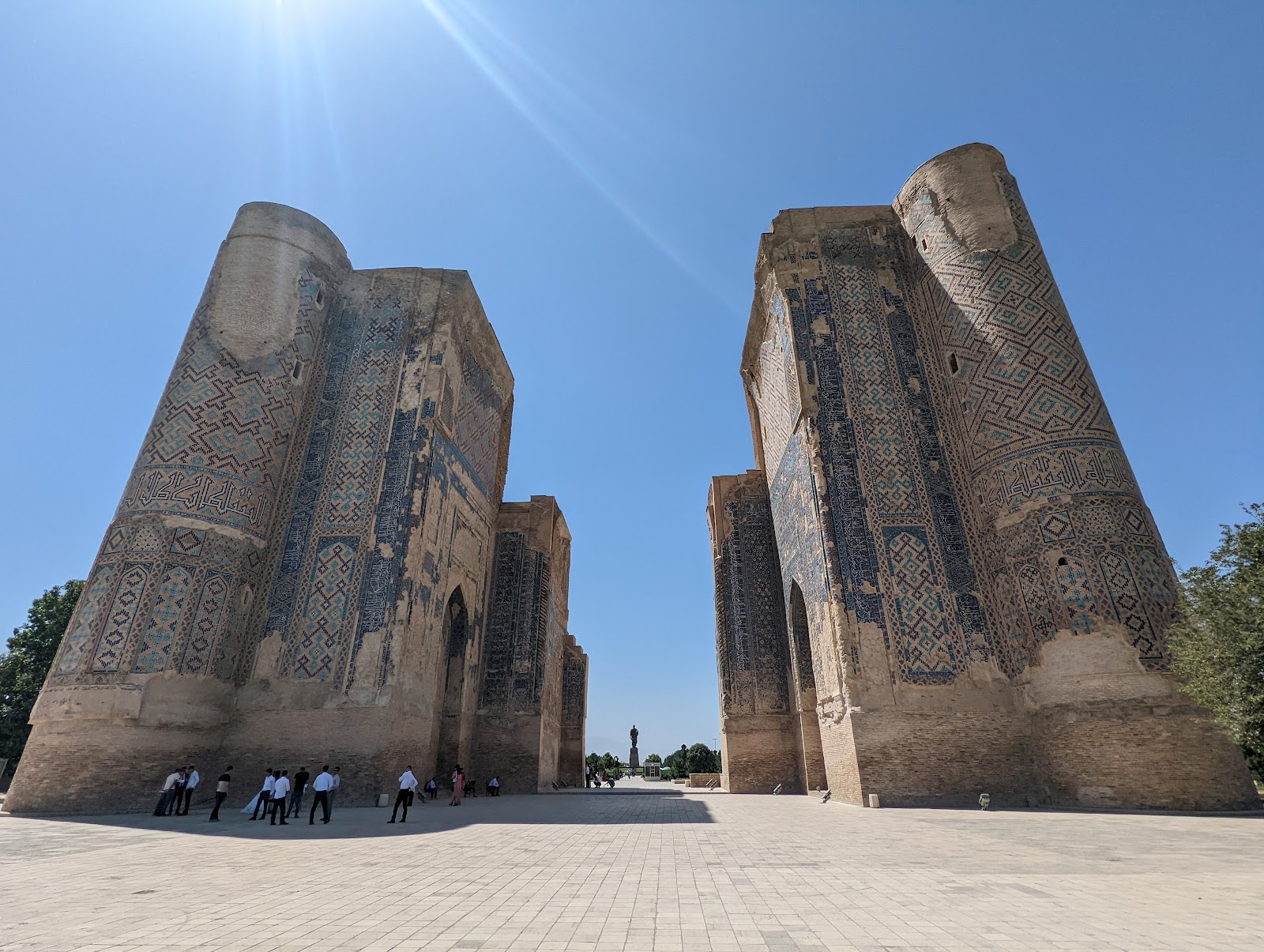
Timur’s ruined palace impresses with its towering portal and massive walls, though the journey from Samarkand divides opinion.
More photos
Photos published by travelers on Google, not AI generated.
What stands out
- Towering remains of the palace portal
- Exceptional wall height and thickness
- Connections with Timur’s rule
- Mountain backdrop around the ruins
Worth knowing
- Mostly ruins rather than a complete palace
- Long journey if visiting only from Samarkand
- Reports of aggressive bazaar selling
Don't miss
What comes up most in public reviews
- Study the surviving monumental iwan
- Examine the portal’s massive pylons
- Walk the remaining palace alleys
- Photograph the ruins against the mountains
Worth the trip?
What the reviews reveal
Ak-Saray Palace holds a Google rating of 4.5 from 628 reviews, with public feedback focusing overwhelmingly on the scale of its surviving entrance. This is not an intact palace complex. Visitors encounter monumental ruins, chiefly the remains of a vast portal, or iwan, that once announced the ambitions of Timur’s royal residence.
Reviewers repeatedly describe the structure as imposing, even in its broken state. The height and thickness of the remaining walls receive particular attention, while one account identifies the surviving pylons as 38 metres high. For travellers interested in architecture, imperial history and the physical presence of old masonry, the ruins can communicate more than their fragmentary condition might suggest.
Historical impact
Public reviews associate the palace with Timur, also referred to as Temurlane or Timur Lenk, and describe it as a powerful expression of his rule. One detailed account says construction began in 1380 and was completed in 1404, during Timur’s reign. It also suggests that the complex was probably destroyed in the 16th century by Abdullah II, the Bukharian khan.
The principal appeal lies in imagining the original palace from what remains. Reviewers mention walking its alleys, studying the enormous gateway and using the surviving walls to grasp the complex’s former scale. Several regard it as historically significant and highly photogenic. The mountain backdrop around Shahrisabz adds further drama to views of the ruined portal.
Anyone expecting furnished rooms, complete courtyards or a palace interior is likely to be disappointed. The experience depends on an interest in ruins and the ability to read a partial structure as evidence of something much larger.
Is it worth the journey?
Opinion becomes more mixed when Ak-Saray is treated as a standalone excursion from Samarkand. One reviewer considered the journey too long for the amount left to see, especially after visiting the grand madrasas and palaces of Samarkand, Bukhara and Tashkent. That account also reported an intrusive bazaar atmosphere and aggressive selling during a morning visit.
Other reviewers place Ak-Saray among Shahrisabz’s essential historical stops. They see the ruined gateway as distinctive enough to justify a visit, particularly for those tracing Timur’s legacy. The difference appears to be one of expectations: as part of time in Shahrisabz, it is a compelling focal point; as a lengthy return journey solely for one fragmented monument, it may feel less rewarding.
Editorial verdict
Ak-Saray Palace is best approached as a monumental ruin rather than a complete palace. Its surviving portal, massive walls and mountainous setting provide the strongest reasons to visit. Travellers already saturated with Central Asia’s richly decorated monuments may find the remains limited, but history-focused visitors can still gain a vivid sense of Timur’s architectural ambition. Allowing a few hours in Shahrisabz, rather than judging the site only against the travel time from Samarkand, gives the landmark a fairer context.
Plan the rest of the trip
Ask anything
Looking for somewhere else?
Keep exploring around Shahrisabz
More from Uzbekistan
Uzbekistan · Samarqand
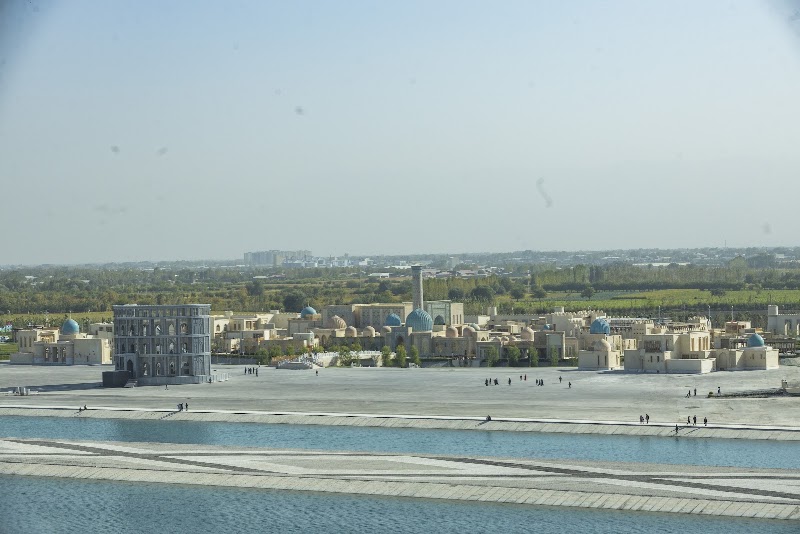
The Eternal City: a polished take on Silk Road Samarkand
The Eternal City is a polished Silk Road-themed ethnopark for photos, food and evening strolls, though reviews question its authenticity and convenience.
Uzbekistan · Khiva
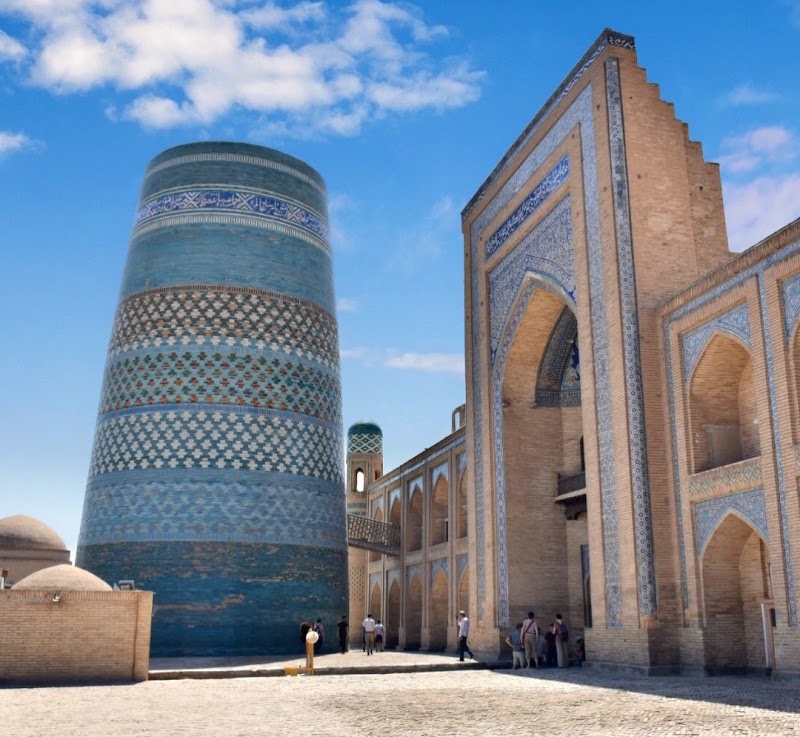
Kalta Minor Minaret: Khiva’s Unfinished Turquoise Icon
This broad, brilliantly tiled minaret near Ichan-Qala’s western gate is one of Khiva’s most recognisable landmarks and photo stops.
Uzbekistan · Buxoro
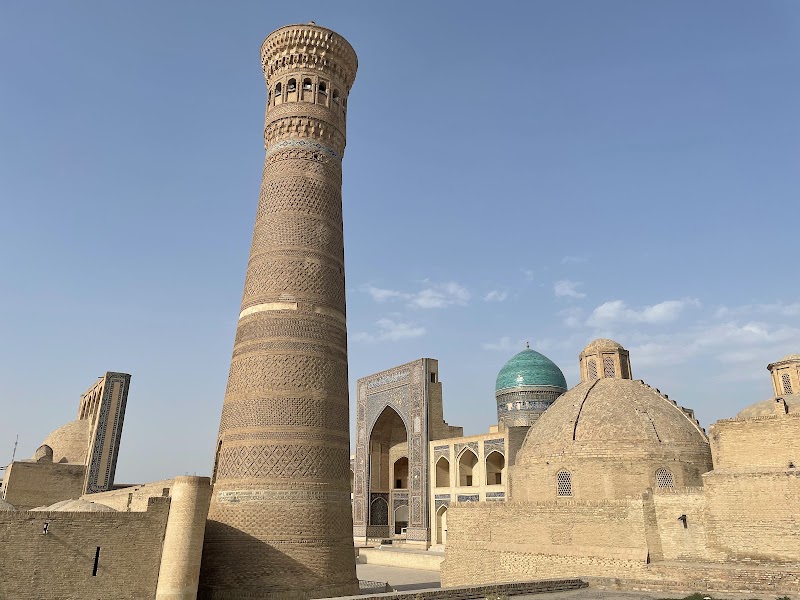
Kalan Minaret, Bukhara’s Defining Brick Landmark
Public reviews praise Kalan Minaret for its patterned brickwork, commanding presence and striking illumination after dark.
Uzbekistan · Samarqand
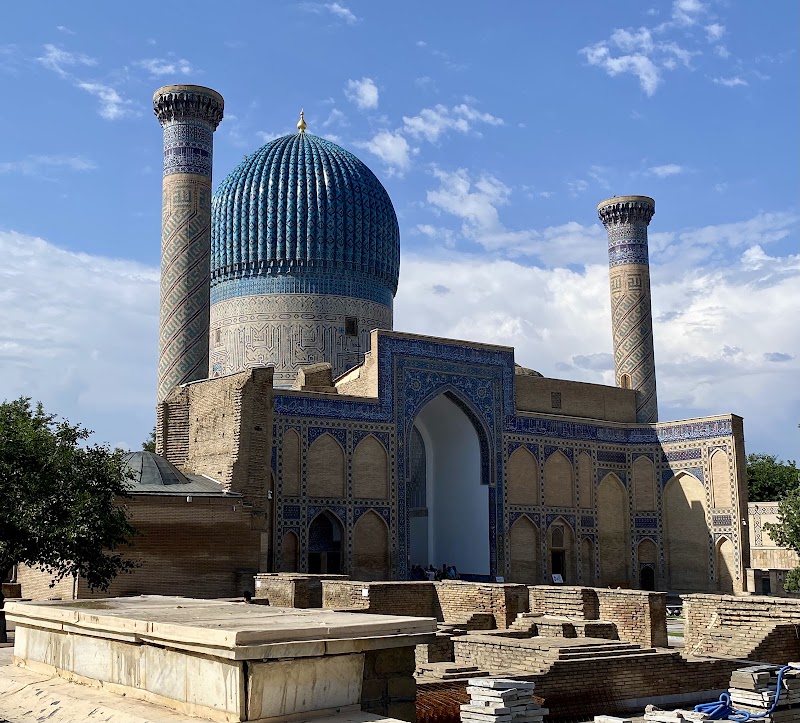
Amir Temur Mausoleum: Samarkand’s Timurid Landmark
Public reviews praise Gur-i Amir’s blue dome, ornate tilework and historical weight, though some visitors question the value of its compact interior.