Ajanta Caves: Ancient Buddhist Art Carved Into Rock
Ajanta Caves combines intricate Buddhist paintings, sculpture and rock-cut architecture with a dramatic setting among green hills.
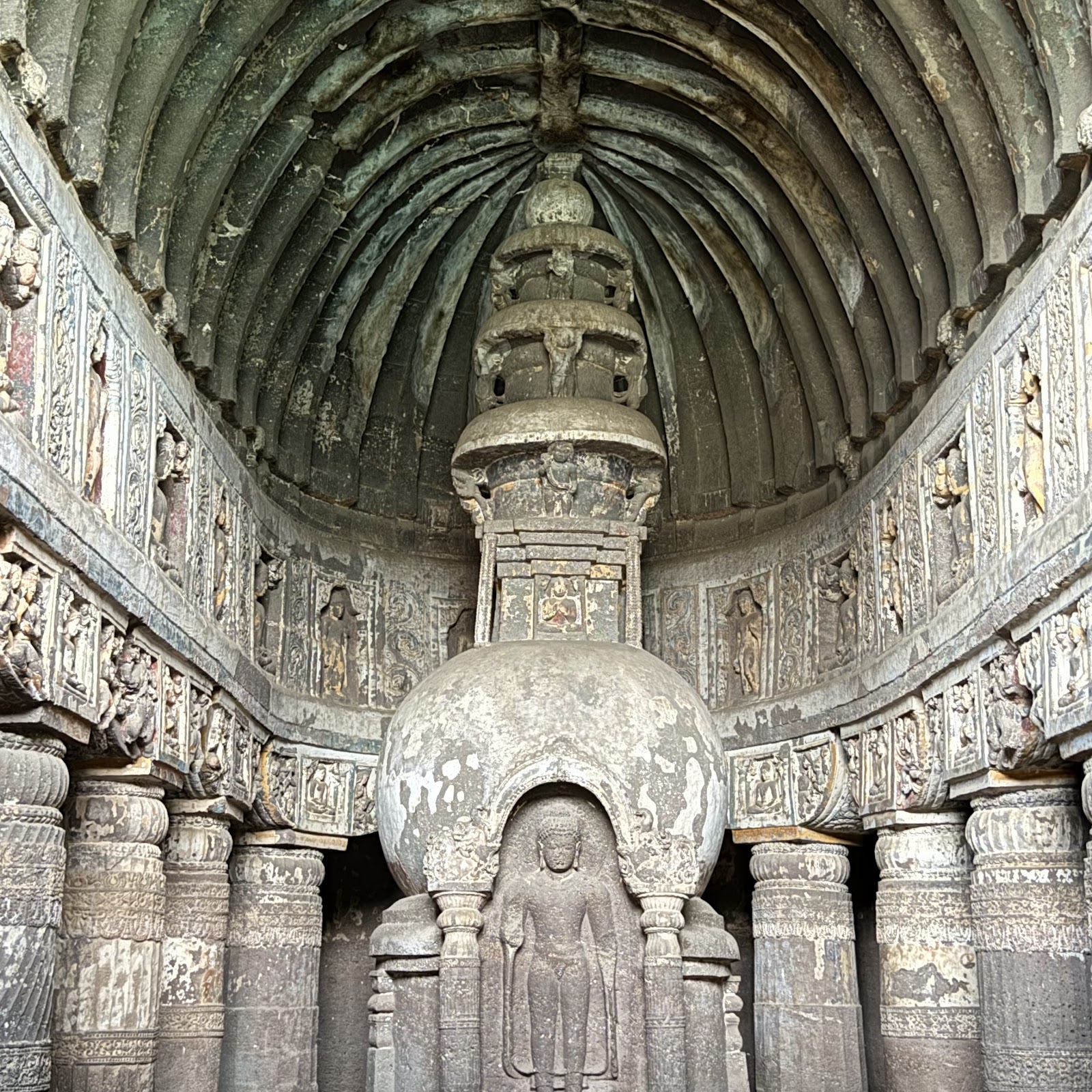
More photos
Photos published by travelers on Google, not AI generated.
What stands out
- Ancient Buddhist paintings
- Intricate rock-cut carvings
- Cliffside architecture
- Scenic green hills
- UNESCO World Heritage status
Worth knowing
- Flight of stairs to the caves
- Noon sun can be uncomfortable
- Allow around two hours to explore
Don't miss
What comes up most in public reviews
- Examine the ancient Buddhist paintings
- Look closely at the carved sculptures
- Explore the multiple rock-cut caves
- Take in the green hillside setting
Worth the trip?
Why Ajanta stands out
Ajanta Caves has a Google rating of 4.6 from 27753 reviews. That strong score reflects the enthusiasm visitors show for its artistic detail and historical importance. “Breathtaking” is a recurring description in public feedback, particularly when reviewers consider the precision involved in carving elaborate spaces and sculptures directly from solid rock.
The caves are a UNESCO World Heritage Site, known for ancient Buddhist paintings, carvings and rock-cut architecture. Many reviewers dwell on the age of the artistry, described as dating back more than 2,000 years. They also point to the extraordinary skill visible across the complex. Travellers interested in history, culture or early religious art will find much more here than a quick photo stop.
The location matters too. Rocky cliffs and green hills frame the caves, giving the approach a scenic character that reviewers see as part of the attraction. Landscape, architecture and surviving artwork come together on a scale that photographs may not fully capture.
What the visit involves
Public reviews generally suggest setting aside around two hours for the caves. Anyone keen to study the paintings and carvings more closely may want to move at a slower pace. A shuttle bus carries visitors towards the starting area, followed by a flight of stairs leading up to the caves.
This is not a single chamber. The wider complex contains numerous Buddhist caves, and much of the appeal lies in taking time over the details: carved figures, architectural features and ancient paintings. Reviewers repeatedly express amazement that such precise work could have been completed in solid rock using ancient methods.
Ajanta works best as a half-day cultural outing. That leaves room for the shuttle transfer, the stairs and the cave exploration, without making the visit feel rushed. Families should factor in the walking. Public feedback specifically recommends carrying water and food for children.
Timing and practical considerations
One piece of advice appears often in reviews: avoid exploring around noon. The sun can make the outdoor sections noticeably less comfortable. Arriving earlier should offer more manageable conditions, along with enough time to appreciate the site properly. Carrying water is sensible, especially with the stairs and a typical exploration period of around two hours.
Some stamina and mobility are needed. There are steps on the approach, while seeing multiple caves means spending time on foot. Visitors with young children, or anyone who finds stairs difficult, should plan for this and avoid a schedule that is too tight.
Editorial verdict
Synthesizing the public ratings and reviews, Ajanta Caves has its strongest appeal for travellers interested in Buddhist heritage, ancient painting, sculpture and rock-cut architecture. The 4.6 rating is backed by consistent praise for the craftsmanship, historical significance and green hillside setting.
The practical demands are modest, though they should not be ignored. Visitors need to account for a shuttle connection, stairs, walking and exposure to the daytime sun. With water, sensible timing and at least two hours available, Ajanta offers one of the region’s most substantial encounters with ancient Indian art and architecture.
Plan the rest of the trip
Ask anything
Looking for somewhere else?
Keep exploring around Chhatrapati Sambhajinagar
More from India
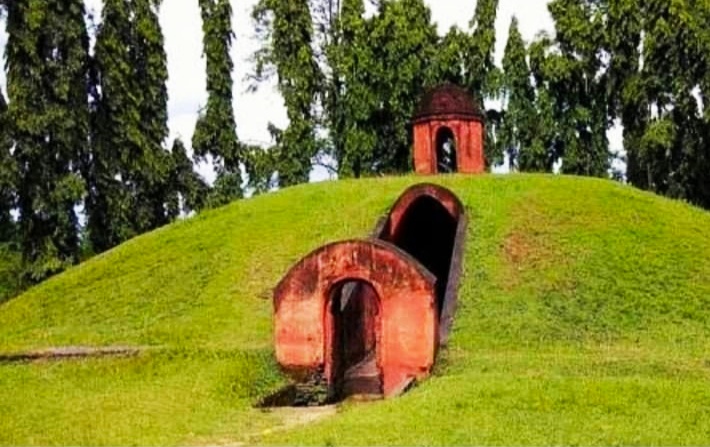
India · Bokopukhuri Habi
Charaideo Maidam: Assam’s Royal Burial Landscape
Ahom royal burial mounds, peaceful grounds and deep historical significance make this a compelling half-day landmark in Assam.
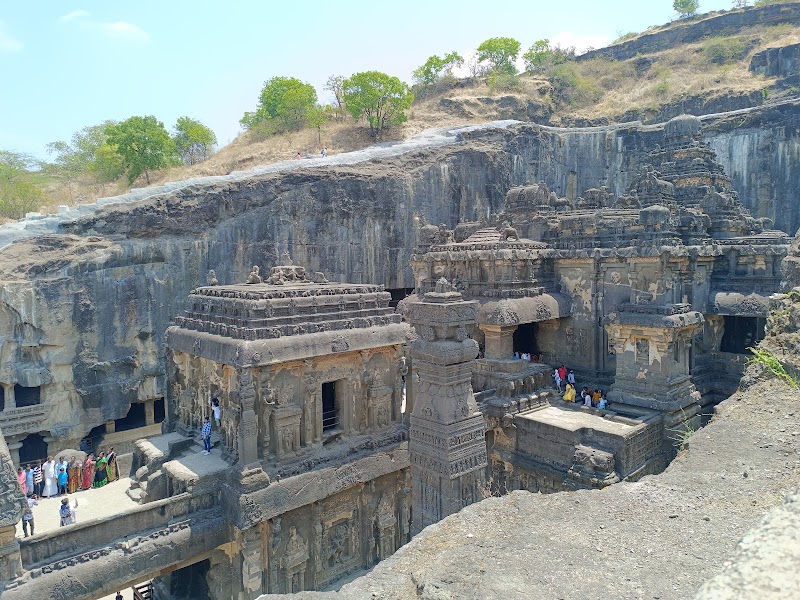
India · Verul
Ellora Caves: Monumental Art Carved Into Basalt
Ellora’s 34 rock-cut monuments unite Buddhist, Hindu and Jain traditions, with the vast Kailasa Temple dominating visitor impressions.

India · New Delhi
Qutb Minar: Monumental Architecture Beyond the Tower
Delhi’s soaring minaret anchors a well-kept heritage complex filled with intricate carvings, lawns and evocative medieval ruins.
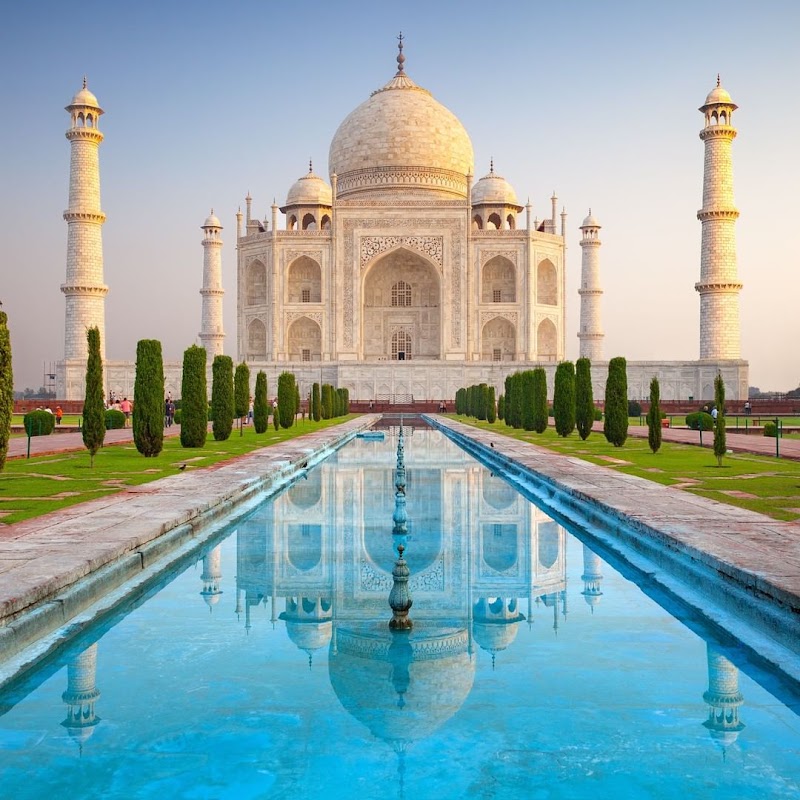
India · Agra
Taj Mahal review: Agra’s defining monument
Agra’s white-marble mausoleum pairs immense historical significance with one of the strongest public rating signals in Indian tourism.