Ahu Tongariki: Rapa Nui’s Monumental Moai Platform
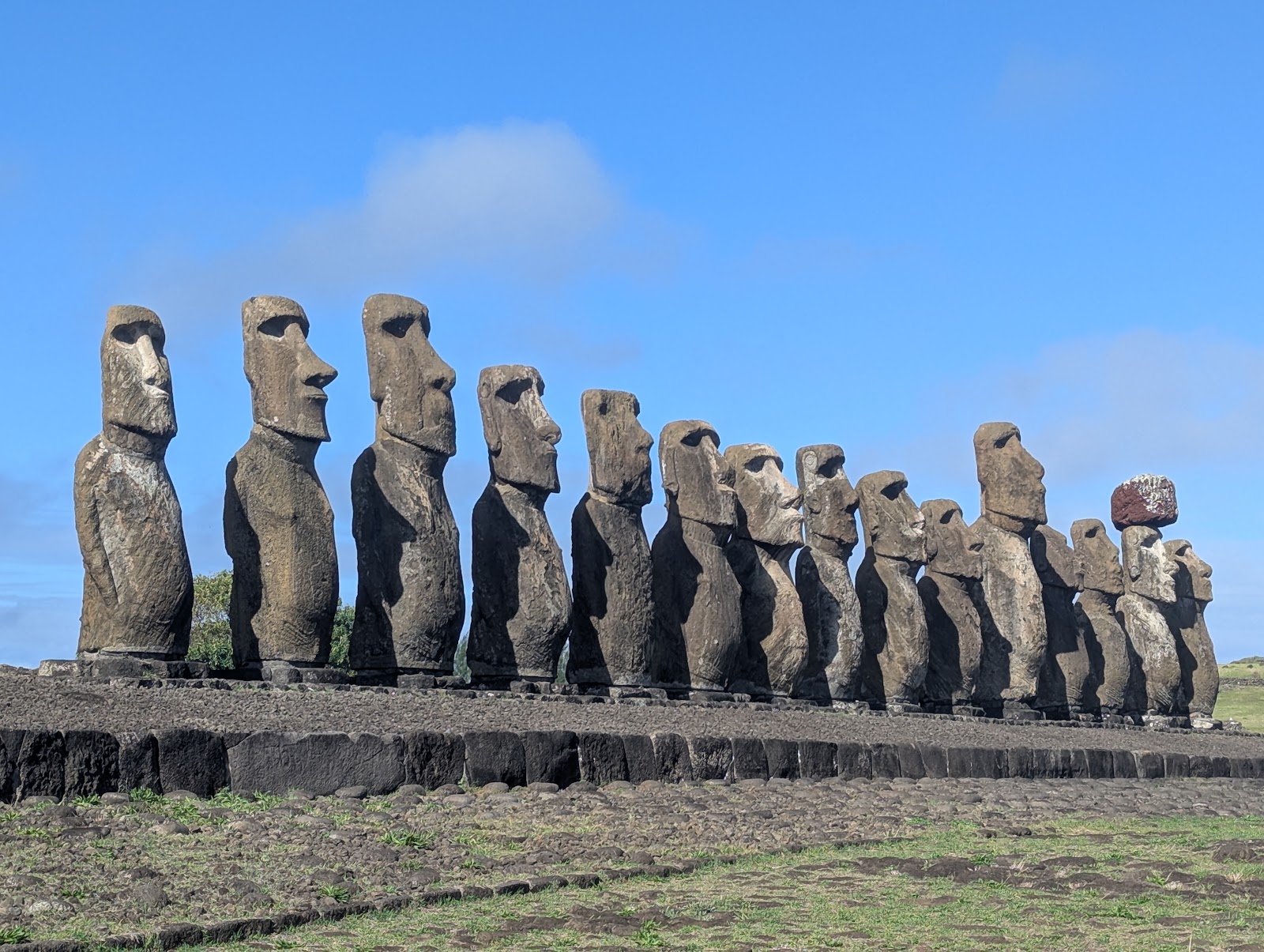
Fifteen moai face the ocean at Ahu Tongariki, a powerful Rapa Nui landmark best experienced in soft morning or afternoon light.
More photos
Photos published by travelers on Google, not AI generated.
What stands out
- Fifteen moai on one ceremonial platform
- Ocean backdrop behind the lineup
- Open space for viewing and photography
- The separate “travelling moai” nearby
- Dawn and dusk atmosphere
Worth knowing
- A national park ticket and guide are required for access
- Roadside viewing may not provide the full site experience
Don't miss
What comes up most in public reviews
- See all fifteen moai on the ahu
- Look for the separate “travelling moai”
- Visit in early or late light
- Ask about access with the national park ticket and guide
Worth the trip?
Why travellers come
Public ratings and traveller reviews place Ahu Tongariki among the defining sights of Rapa Nui. The site holds fifteen moai on a long ahu, or ceremonial platform, with the Pacific behind them. That broad coastal setting gives the monument its force. Visitors repeatedly describe the scene as breathtaking, majestic and humbling, with the scale of the figures becoming clearer once they are seen together.
The appeal is not limited to photography. Reviews often focus on the feeling of standing in front of the restored lineup, where the moai, platform and ocean create a strong sense of place. One traveller called the site the main reason for visiting Rapa Nui. Another described the quiet atmosphere at dawn and dusk as especially memorable.
What the visit is like
Ahu Tongariki is commonly included in a full-day Rapa Nui tour. Reviews indicate that visitors need the national park ticket and a guide to access the site. One review notes that the moai can still be viewed from the road, but the main experience involves entering the site with the required arrangements in place.
The public rating is 4.8 from 2,974 Google reviews, a strong signal that the landmark consistently meets visitor expectations. The setting also allows room to move around and take photographs. One traveller reported that crowds were manageable and that there was plenty of space to explore.
The visit is primarily about observation. The fifteen figures stand together on the platform, while a separate moai nearby adds another point of interest. This isolated figure is often called the “travelling moai” in visitor accounts. It stands apart from the main group and is easy to miss if attention stays fixed on the ahu.
When to go
The reviews point to early morning, late afternoon, dawn or dusk for the most attractive light. Afternoon light was specifically recommended by one visitor, while others favoured earlier or later hours. These periods also suit travellers who want a calmer, more reflective visit.
The moai are compelling in any weather, but the relationship between the lineup and the ocean is central to the experience. Soft light helps define the silhouettes and gives the platform a more dramatic presence. Travellers planning a photography stop should allow time to look beyond the main viewpoint and include the separate moai nearby.
Practical planning
Ahu Tongariki suits visitors interested in Rapa Nui history, monumental sculpture and open-air heritage sites. It works particularly well as part of a wider island itinerary rather than as an isolated quick stop. The site is associated with Easter Island’s UNESCO World Heritage setting in the public reviews, adding cultural significance to an already striking landscape.
Visitors should confirm access requirements before setting out, since the reviews consistently mention the national park ticket and a guide. They should also check how the site fits within their tour schedule. The central sight is straightforward: fifteen moai lined up above the coast. The atmosphere takes longer to absorb.
Plan the rest of the trip
Ask anything
Looking for somewhere else?
Keep exploring around Easter Island
More from Chile
Chile · Punta Arenas
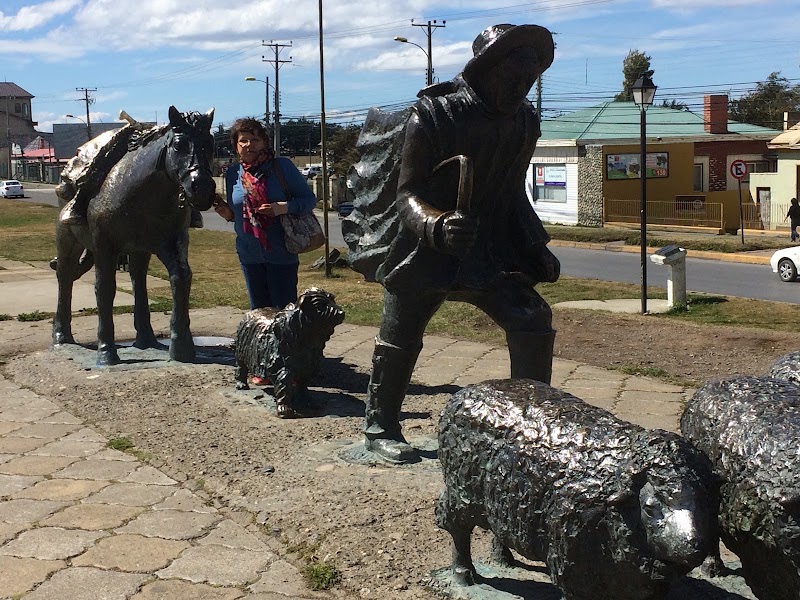
Monumento al Ovejero: Punta Arenas’ Working-Life Tribute
This well-kept sculpture honours the people and animals tied to Patagonia’s sheep country, with a polished bronze donkey and attractive surrounding grounds.
Chile · Valparaíso
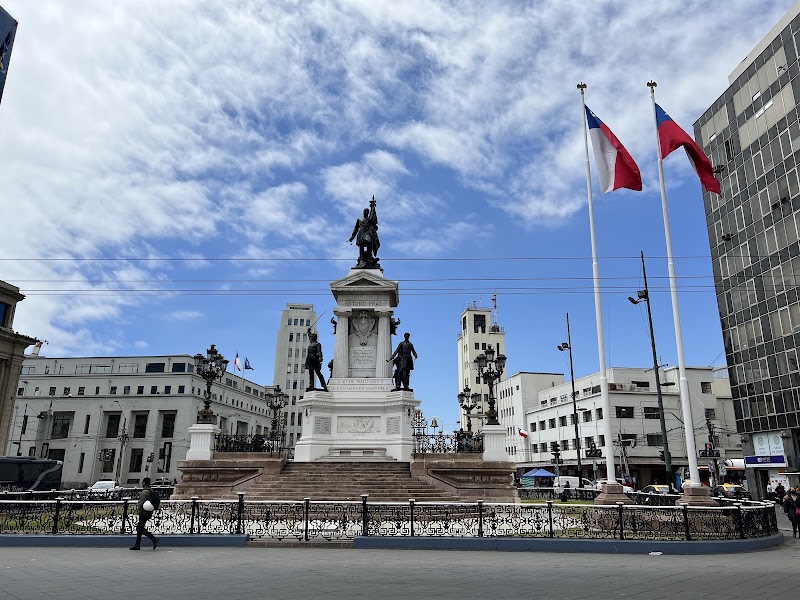
Sotomayor Square: Valparaíso’s Historic Waterfront Starting Point
A busy historic square beside the port, Sotomayor Square brings together naval history, old architecture, cafés and routes into Valparaíso’s hills.
Chile · Santiago
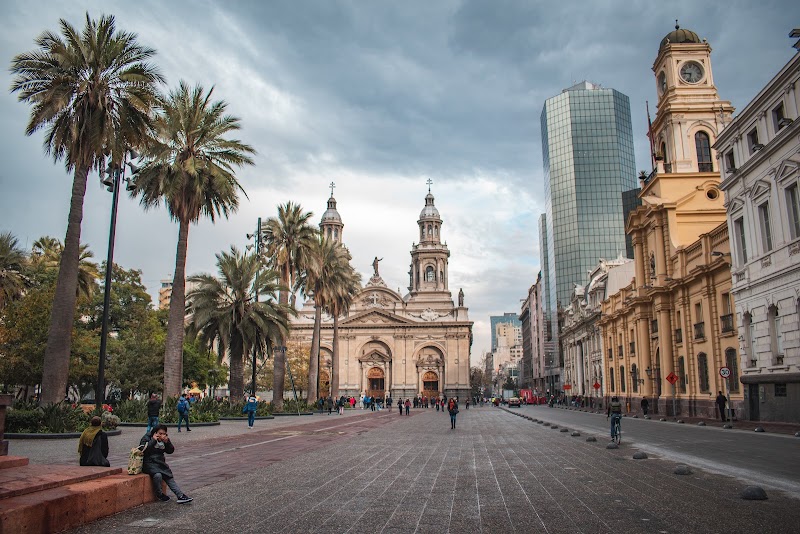
Plaza de Armas: Santiago’s Historic Meeting Point
Santiago’s central square brings together landmark buildings, street activity, walking tours and a need for careful attention to personal belongings.
Chile
Parque Nacional Bernardo O'Higgins: Vast, Remote Patagonia
Public reviews point to a remote Chilean park valued for glacier views, boat access and the lasting impression of its wild scale.