Ahu Nau Nau: Rapa Nui Moai Beside Anakena Beach
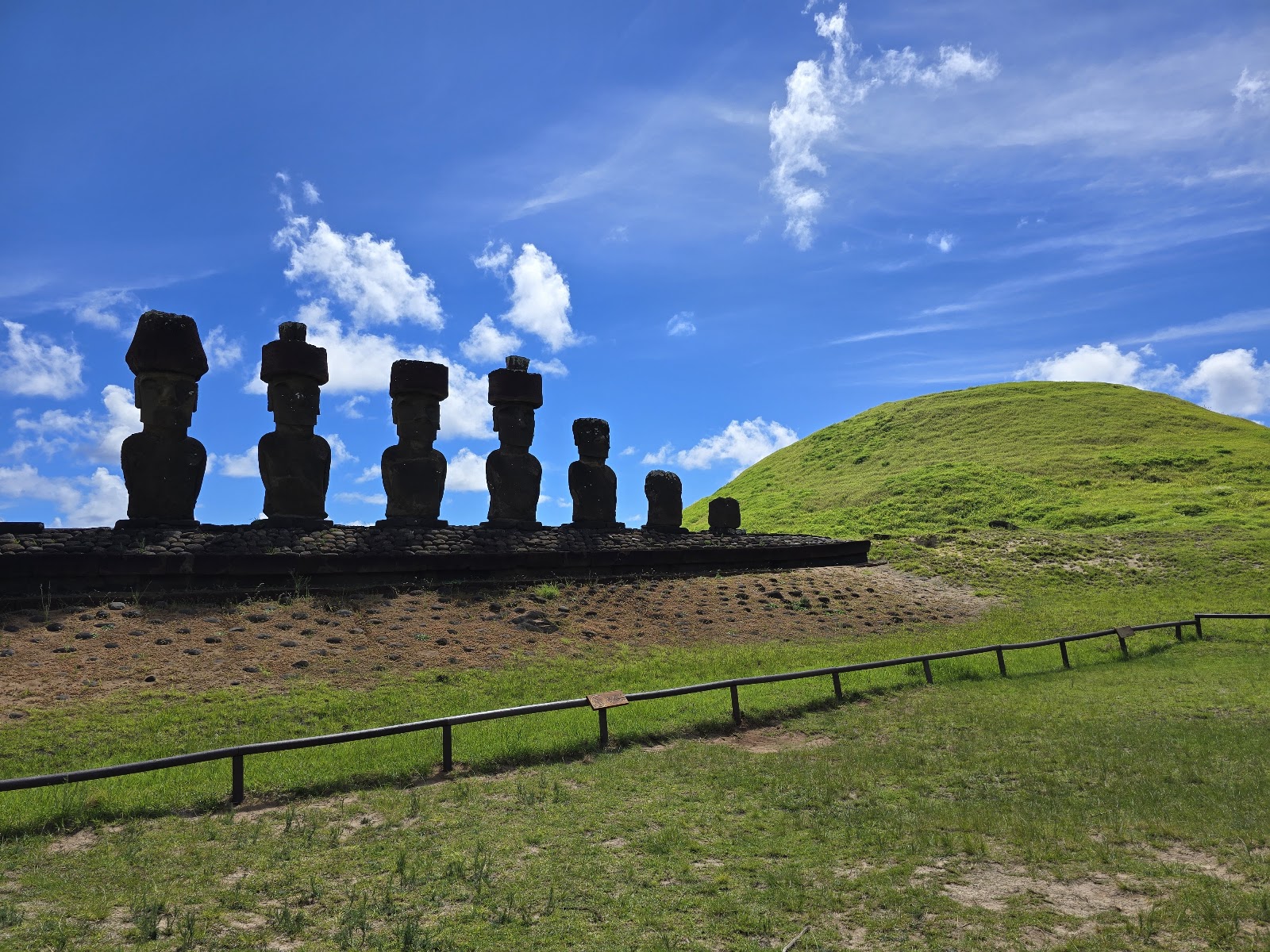
Seven restored moai stand above Anakena Beach, combining one of Rapa Nui’s most striking archaeological sites with an easy coastal stop.
More photos
Photos published by travelers on Google, not AI generated.
What stands out
- Seven moai beside Anakena Beach
- Unusually intact red hats
- White coral sand and coastal views
- Fine details visible on the statues
- Short walk to the platform
Worth knowing
- Minimal shade
- Bring water, food, sunscreen and a towel
- Check current access requirements
Don't miss
What comes up most in public reviews
- See the seven moai in a row
- Look for the intact red hats
- Photograph the platform with Anakena Beach behind it
- Visit at daybreak or sunset
Worth the trip?
Ahu Nau Nau is one of the most visually rewarding landmarks on Rapa Nui. Public reviews give it a Google rating of 4.8 from 870 reviews, with visitors repeatedly highlighting the line of seven moai beside the white coral sands of Anakena Beach. The setting does much of the work. These monumental figures stand on a stone platform, with palms, sand and open coastal views behind them.
What visitors come to see
The moai are the main event. Reviews describe them as deified ancestors, carved by the Rapa Nui people from volcanic tuff between approximately 1250 and 1500 AD. At Ahu Nau Nau, the figures are noted for their fine surviving details and their unusually intact red hats, or pukao. One recurring observation is that the statues face inland rather than out towards the sea.
That arrangement gives the site a particularly strong sense of place. The figures are not isolated in a museum-like setting. They stand beside one of Rapa Nui’s best-known beaches, where the archaeological remains and the landscape are visible in the same frame. Visitors often say photographs do not fully convey the scale and detail seen in person.
How the visit feels
The approach involves a short walk, according to public reviews. Once at the platform, visitors tend to linger for the views and photography. The site is often described as beautiful, spectacular and picture-perfect, especially with Anakena Beach in the background.
Daybreak and sunset receive specific praise for photography, when the changing light brings more depth to the statues. Minimal shade is mentioned, though, so the beach setting should not be mistaken for a cool or sheltered stop. Reviews recommend carrying plenty of water, food and sunscreen. A towel is also useful for visitors planning to spend time at the beach.
Planning the stop
Ahu Nau Nau suits travellers who want a major Rapa Nui monument without giving up time beside the sea. It works well as part of a wider archaeological day, particularly for visitors interested in moai platforms, traditional sculpture and the relationship between monuments and landscape. A guide accompanied at least one reviewer, but another review mentions no checkpoint at the site. Access arrangements can change, so visitors should confirm current park requirements before travelling.
One public review describes the site as free to access, while the supplied listing does not state a price level. The cost of visiting should therefore be checked locally rather than assumed. The reviews support allowing enough time to look closely at the statues, walk from the beach area and take photographs in changing light.
The strongest reason to go is the combination: seven moai, well-preserved red hats and Anakena Beach in one compact setting. It is an excellent choice for first-time visitors to Rapa Nui and for photographers who want a landmark with a memorable natural backdrop.
Plan the rest of the trip
Ask anything
Looking for somewhere else?
Keep exploring around Isla de Pascua
More from Chile
Chile · Santiago
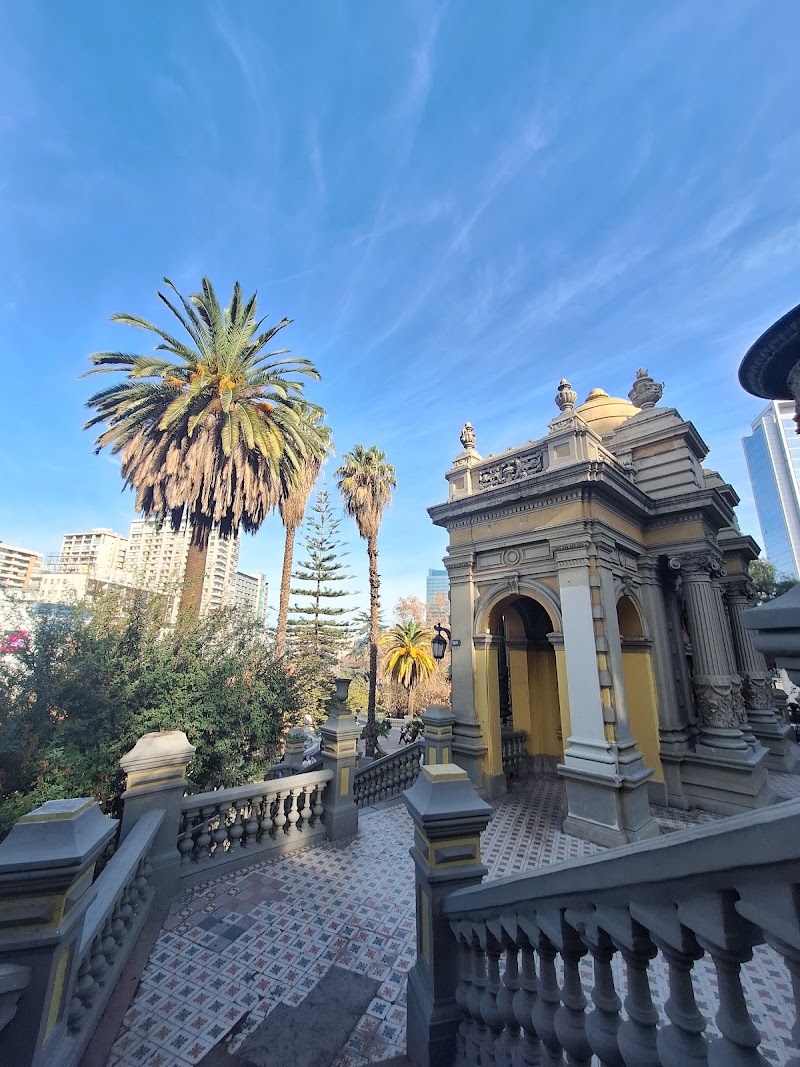
Santa Lucía Hill: Santiago Views in a Historic City Park
This central Santiago hill combines lookout points, gardens and historic monuments with a short but stair-heavy climb above the city.
Chile · Recoleta
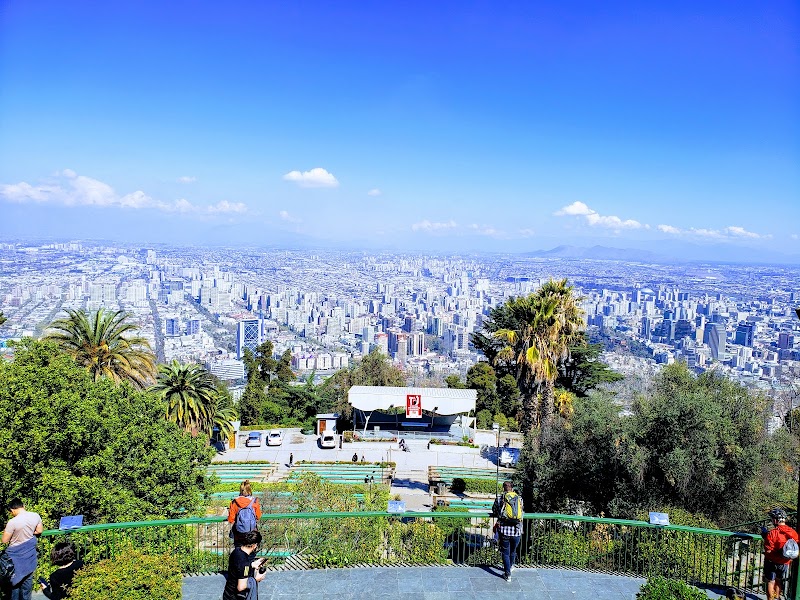
San Cristóbal Hill: Santiago Views, Gardens and Easy Trails
Public reviews rate San Cristóbal Hill highly for its city views, gardens, cable car and statue, with early visits offering a calmer experience.
Chile · Natales
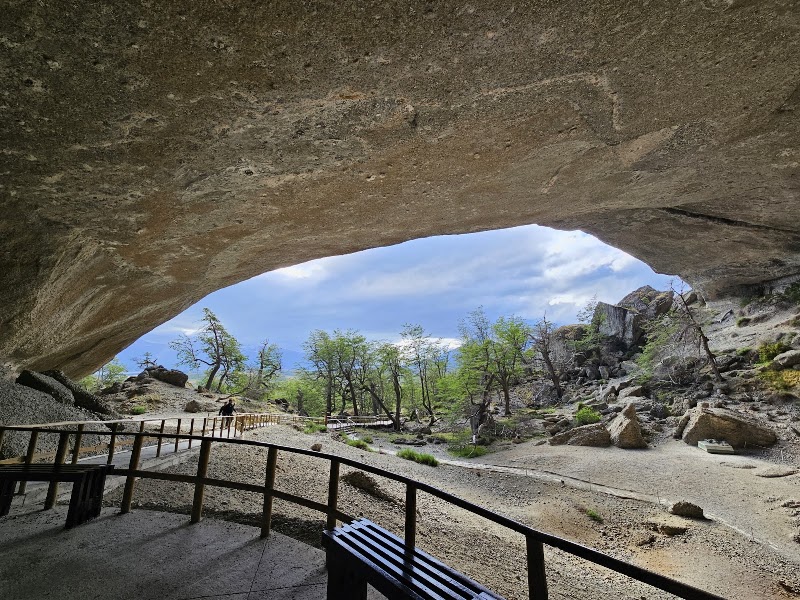
Mylodon Cave Natural Monument: A Short, Thoughtful Stop
Public reviews rate this historic cave highly, especially for its easy trail, prehistoric story and views near Puerto Natales.
Chile · Ushuaia
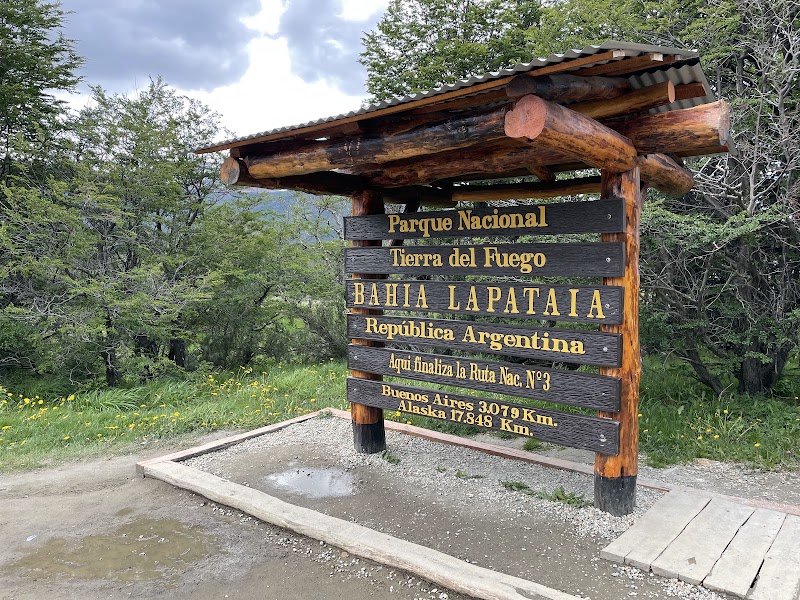
Parque Nacional Tierra del Fuego: Forest, Lakes and Fjords
This highly rated national park near Ushuaia offers well-marked trails, southern Andean scenery and views towards the Beagle Channel.