Ahu Akivi: Seven Moai Facing the Pacific
An inland ceremonial platform where seven restored moai face the ocean, earning strong praise for their unusual orientation and contemplative setting.
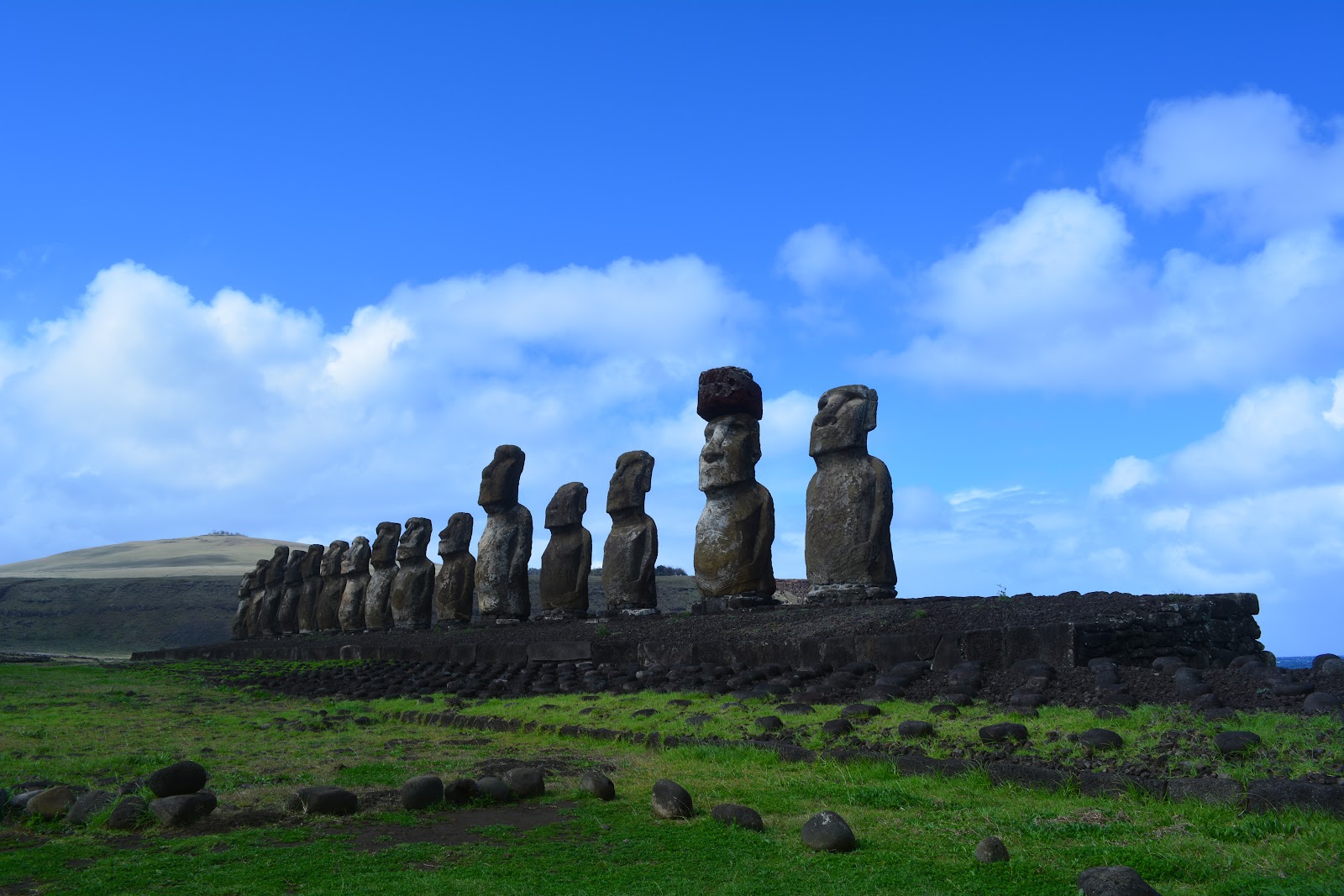
More photos
Photos published by travelers on Google, not AI generated.
What stands out
- Seven restored moai on one platform
- Unusual ocean-facing orientation
- Views from multiple angles
- Inland setting near former village remnants
Worth knowing
- A guide may be required for entry
- Rock barriers limit close access
- Some visitors find it a very brief stop
Don't miss
What comes up most in public reviews
- Walk around the permitted perimeter
- See the moai facing towards the Pacific
- Look for the former village remnants
- Ask a guide about the differing orientation stories
Worth the trip?
Why Ahu Akivi stands out
Ahu Akivi holds a distinctive place among Easter Island’s ceremonial sites. Its restored platform carries seven moai, arranged in a single line at an inland location. Public reviews repeatedly focus on their orientation: unlike most moai described by travellers as facing inland, these figures look towards the Pacific.
That contrast is the main reason to visit. The statues form a balanced, almost rhythmic composition when seen from the front, while the open surroundings make their seaward gaze feel especially pronounced. With a Google rating of 4.9 from 569 reviews, Ahu Akivi is one of the island’s most consistently praised points of interest.
What visitors can expect
Reviewers describe a compact site that can be appreciated without a long visit. Some travellers consider that a strength, particularly when fitting several archaeological locations into an island itinerary. Others find the experience brief compared with larger or more dramatic moai sites. One public review is notably lukewarm, suggesting Ahu Akivi can feel more like a quick checklist stop than a major excursion.
Even so, the repeated advice is to avoid looking only from the front. Walking around the permitted perimeter reveals how the figures change from different angles, including their profiles and the relationship between the platform, surrounding landscape and distant ocean. A rock barrier keeps visitors from approaching too closely, but reviewers still report clear views of the full group.
The inland position also adds interest. One review notes that the platform overlooks remnants of a former village, creating a wider archaeological context beyond the seven statues themselves.
Meaning and interpretation
Several reviews point to competing stories about why the moai face the sea. Some travellers connect the orientation with voyaging, ancestral protection or the islanders’ relationship with the Pacific, while others simply note that more than one explanation is presented. The reviews do not establish a single definitive interpretation.
That uncertainty makes informed guiding particularly valuable. A reviewer reports that a guide is required for entry and praises the historical explanation received on site. Visitors should confirm current access arrangements before travelling, as entry rules may change. A guide can also help separate established archaeological evidence from the stories associated with the seven figures.
Overall verdict
Ahu Akivi is best approached as a focused, visually memorable stop rather than an expansive attraction. Its appeal rests on the unusual ocean-facing alignment, the clean line of seven restored moai and the opportunity to study them from several viewpoints.
Travellers seeking a lengthy walk or a densely layered visitor experience may find it limited. Those interested in how individual ahu differ across Easter Island are more likely to value it. The strongest public-review pattern is clear: the site is worth seeing for its orientation, setting and symmetry, even if the visit itself can be relatively quick.
Plan the rest of the trip
Ask anything
Looking for somewhere else?
Keep exploring around Easter Island
More from Chile
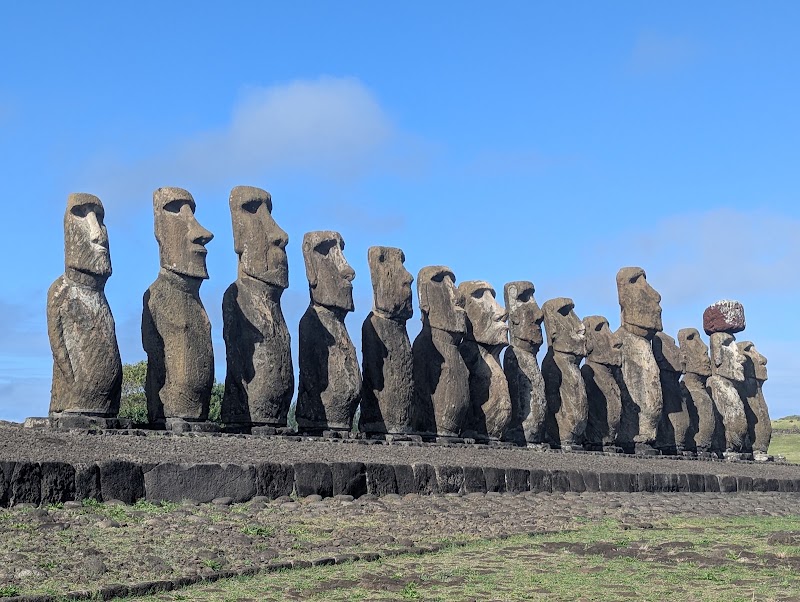
Chile · Easter Island
Ahu Tongariki: Rapa Nui’s Monumental Moai Platform
Fifteen moai face the ocean at Ahu Tongariki, a powerful Rapa Nui landmark best experienced in soft morning or afternoon light.
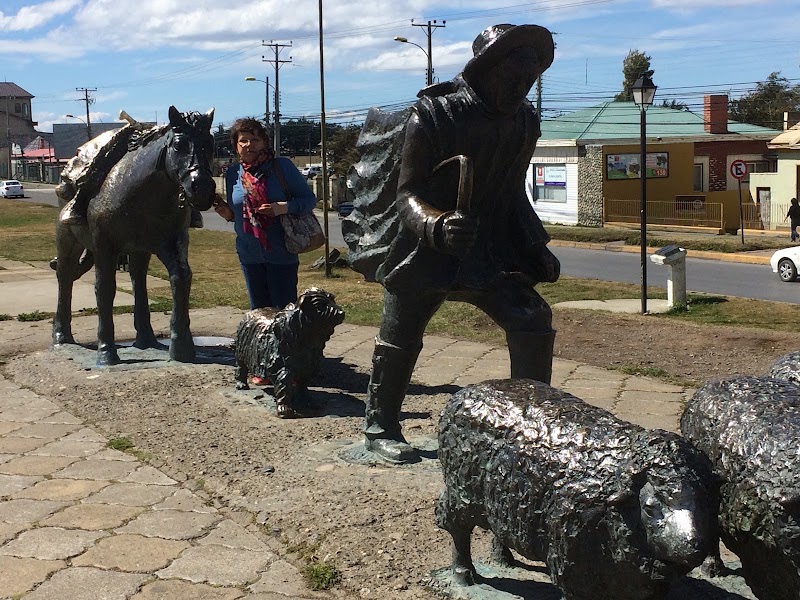
Chile · Punta Arenas
Monumento al Ovejero: Punta Arenas’ Working-Life Tribute
This well-kept sculpture honours the people and animals tied to Patagonia’s sheep country, with a polished bronze donkey and attractive surrounding grounds.
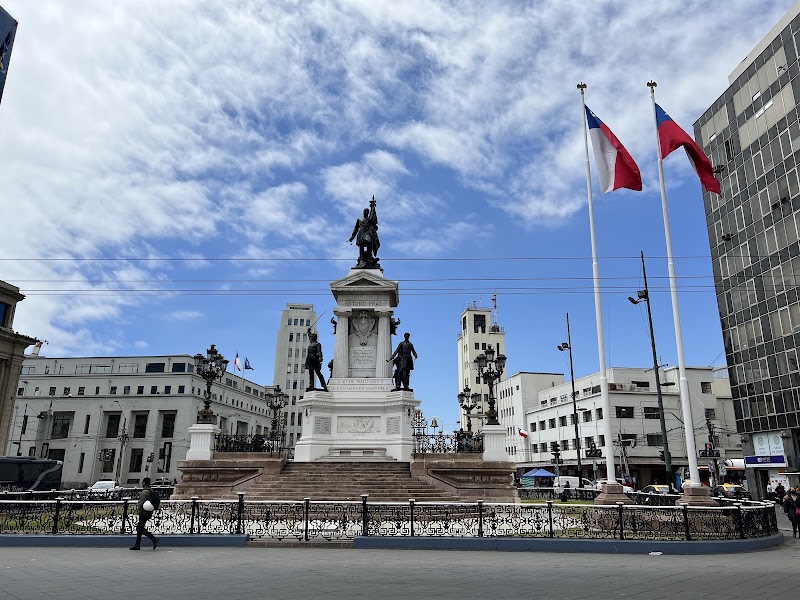
Chile · Valparaíso
Sotomayor Square: Valparaíso’s Historic Waterfront Starting Point
A busy historic square beside the port, Sotomayor Square brings together naval history, old architecture, cafés and routes into Valparaíso’s hills.
Chile · Santiago
Plaza de Armas: Santiago’s Historic Meeting Point
Santiago’s central square brings together landmark buildings, street activity, walking tours and a need for careful attention to personal belongings.