Ahu Akahanga: Unrestored Moai on Rapa Nui’s Coast
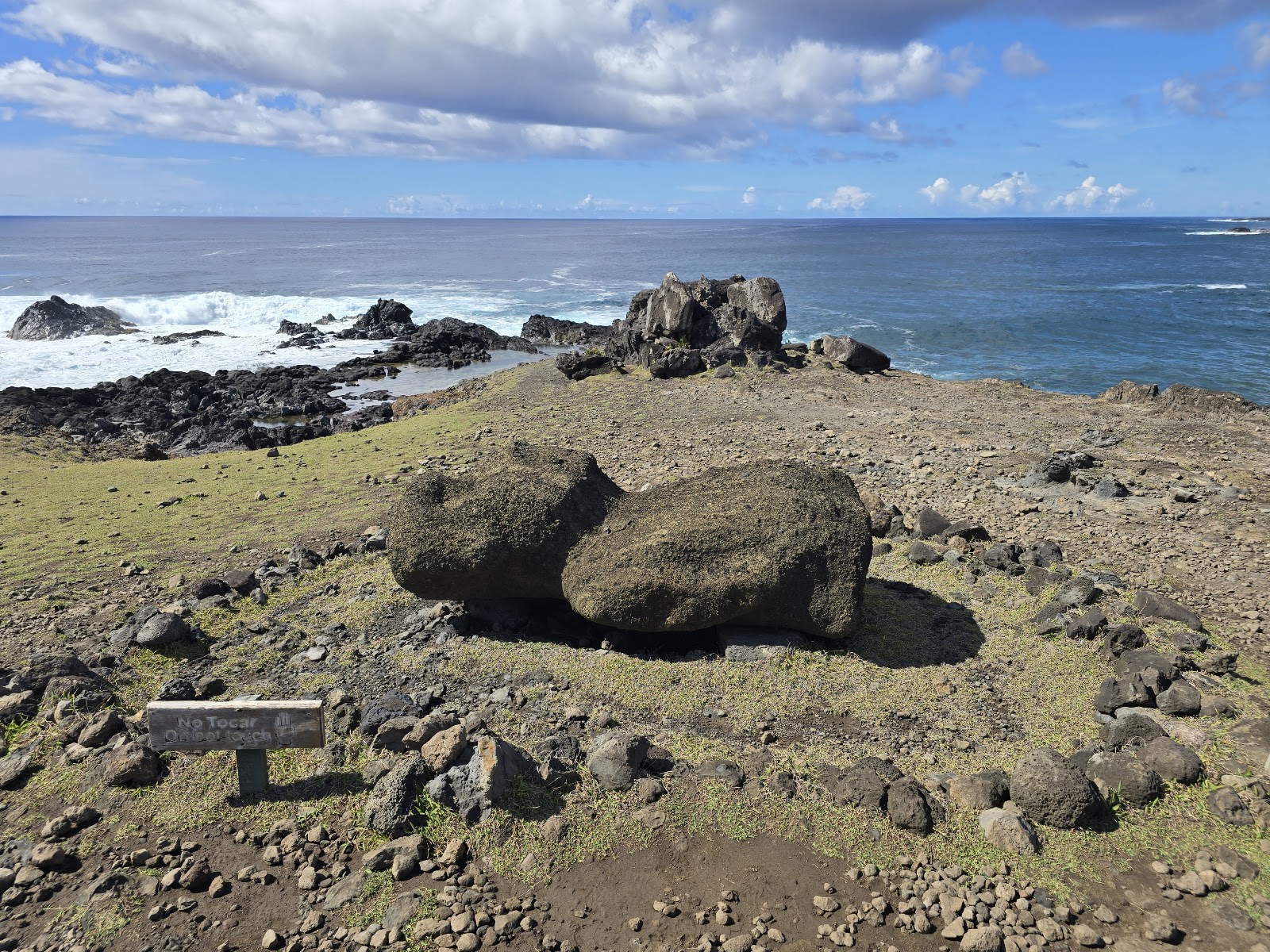
Toppled moai, archaeological remains and a dramatic coastal setting make Ahu Akahanga a rewarding stop for travellers interested in Rapa Nui history.
More photos
Photos published by travelers on Google, not AI generated.
What stands out
- Toppled, unrestored moai
- Scattered red stone topknots
- Boat-shaped house remains
- Caves and domestic structures
- Dramatic coastal setting
Worth knowing
- Guide and park ticket may be required
- Rocky or slippery ground
- Stay on marked paths
Don't miss
What comes up most in public reviews
- Examine the toppled moai
- Look for the caves and dwelling remains
- Ask a guide to identify domestic structures
Worth the trip?
Why Ahu Akahanga stands out
Ahu Akahanga offers a different perspective from Rapa Nui’s restored ceremonial platforms. Its moai remain toppled, with stone bodies, heads and topknots scattered around the site rather than raised upright. Public reviews repeatedly identify this unrestored state as the main reason to visit. It helps illustrate how many of the island’s statues appeared before modern restoration projects returned selected moai to their platforms.
The landmark holds a Google rating of 4.6 from 279 reviews. Feedback generally presents it as a short but historically valuable stop, particularly for travellers already visiting the island’s better-known archaeological complexes. Several reviewers describe the setting as peaceful and quiet, although one dryly calls it “boring.” That contrast is useful: this is not a site built around a single dramatic, standing row of statues. Its appeal lies in context, archaeology and the visible traces of a disrupted ceremonial landscape.
What visitors can see
The toppled moai are the clearest focus, but reviews point to a broader complex. Reported remains include boat-shaped houses, stone chicken coops, fire pits, caves and separate red stone topknots. Together, these features suggest a place connected with daily life as well as ceremonial activity. Travellers interested in how communities lived around the ahu may find the smaller structures as informative as the statues themselves.
The coastal location is another recurring strength. Reviewers praise the shoreline and describe it as worth seeing even apart from the archaeological remains. The combination of open sea, dark volcanic stone and fallen sculpture gives Ahu Akahanga a stark atmosphere that differs from the more carefully reconstructed stops elsewhere on the island.
A site that benefits from explanation
Multiple reviews recommend visiting with a guide. With the moai lying where they fell and many domestic remains appearing subtle at ground level, interpretation can make the complex easier to understand. A knowledgeable guide can help distinguish house foundations, chicken coops, fire pits, caves, topknots and parts of the ceremonial platform.
Without that explanation, some visitors may see little more than scattered stones and broken statues. History-focused travellers are therefore more likely to appreciate the stop than those seeking the island’s most photogenic standing moai. Reviews commonly frame it as part of a wider island tour rather than a destination requiring several hours.
Practical considerations
One public review reports that a national park ticket and guide were required for access. Entry rules on Rapa Nui can change, so travellers should confirm current requirements before arriving rather than relying on older self-guided accounts.
The ground also deserves care. Reviewers mention rocky and slippery sections near the coast and advise staying on marked paths. Sensible footwear is appropriate, particularly when surfaces are damp or uneven.
Overall, Ahu Akahanga works best as a compact, interpretation-led stop. It provides valuable contrast with restored platforms, adds detail about historic settlement features and pairs archaeology with a striking stretch of coastline. Visitors expecting upright moai may leave underwhelmed, but those interested in the island’s more complex physical history are likely to find it worthwhile.
Plan the rest of the trip
Ask anything
Looking for somewhere else?
Keep exploring around Easter Island
More from Chile
Chile · Easter Island
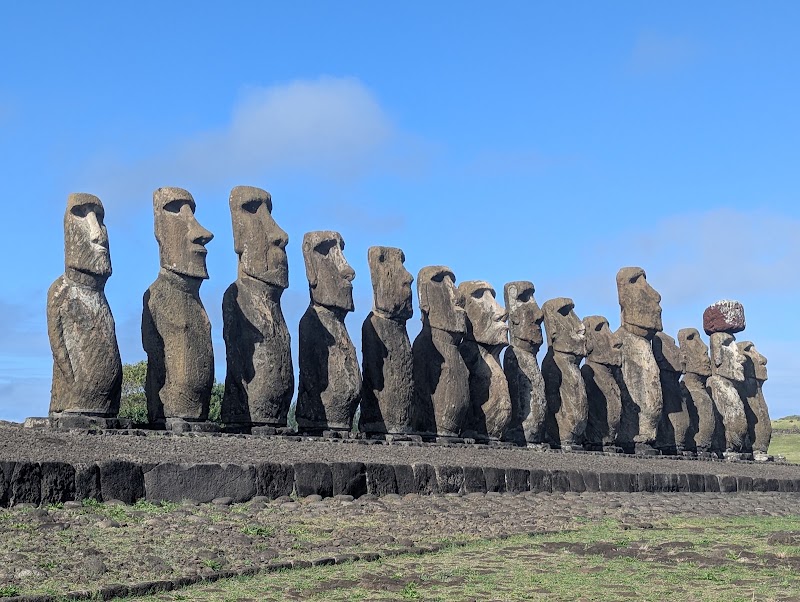
Ahu Tongariki: Rapa Nui’s Monumental Moai Platform
Fifteen moai face the ocean at Ahu Tongariki, a powerful Rapa Nui landmark best experienced in soft morning or afternoon light.
Chile · Punta Arenas
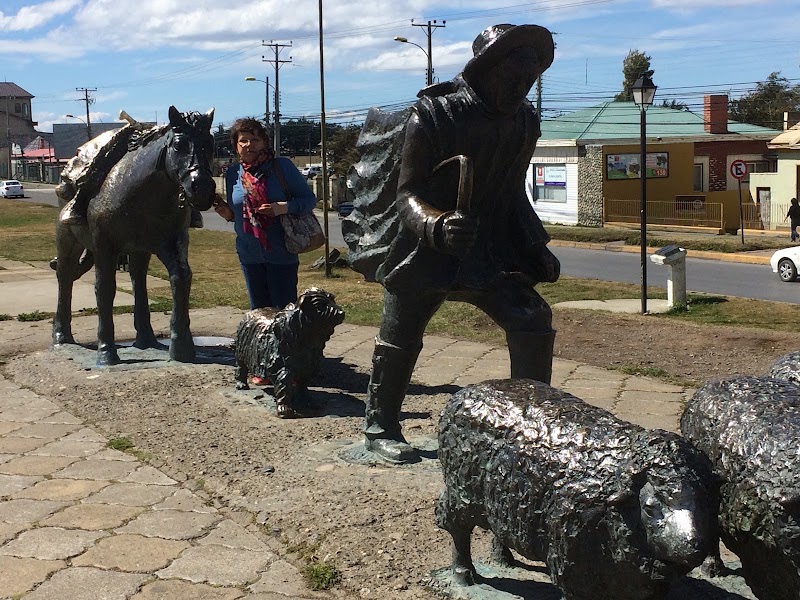
Monumento al Ovejero: Punta Arenas’ Working-Life Tribute
This well-kept sculpture honours the people and animals tied to Patagonia’s sheep country, with a polished bronze donkey and attractive surrounding grounds.
Chile · Valparaíso
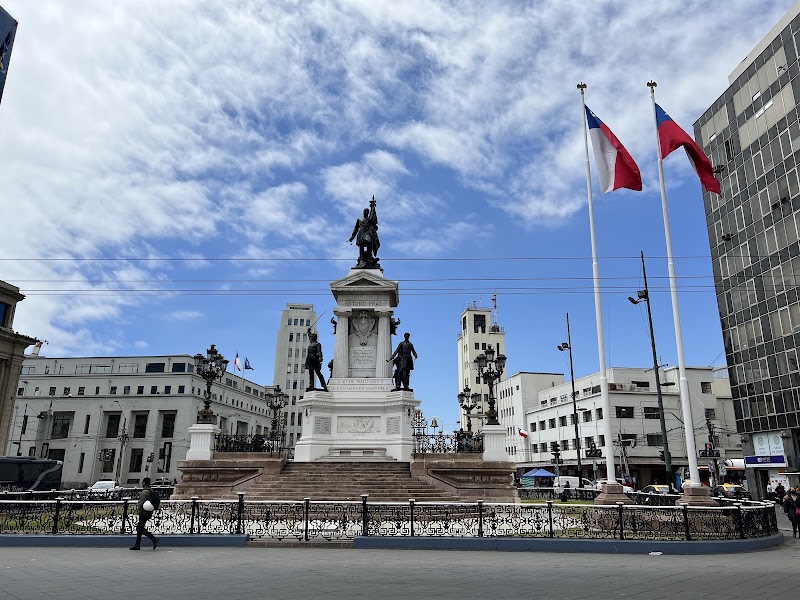
Sotomayor Square: Valparaíso’s Historic Waterfront Starting Point
A busy historic square beside the port, Sotomayor Square brings together naval history, old architecture, cafés and routes into Valparaíso’s hills.

Chile · Santiago
Plaza de Armas: Santiago’s Historic Meeting Point
Santiago’s central square brings together landmark buildings, street activity, walking tours and a need for careful attention to personal belongings.