Ħaġar Qim: Malta’s Megaliths Above the Sea
Monumental prehistoric stonework, coastal views and a useful audio guide make this one of southern Malta’s most rewarding historical stops.
More photos

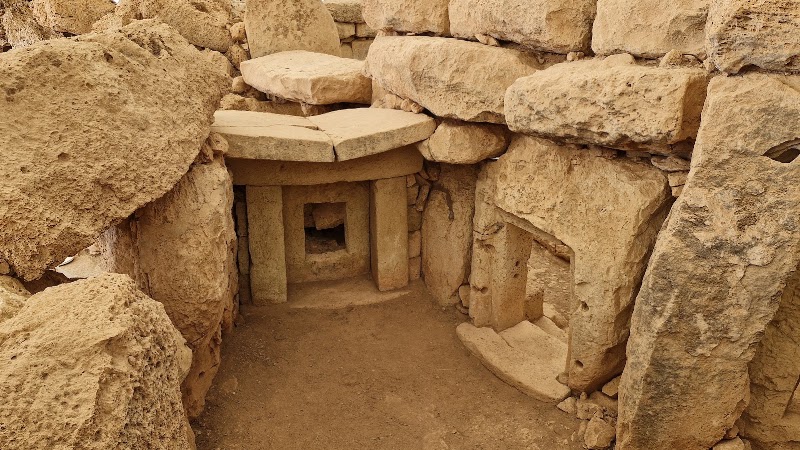
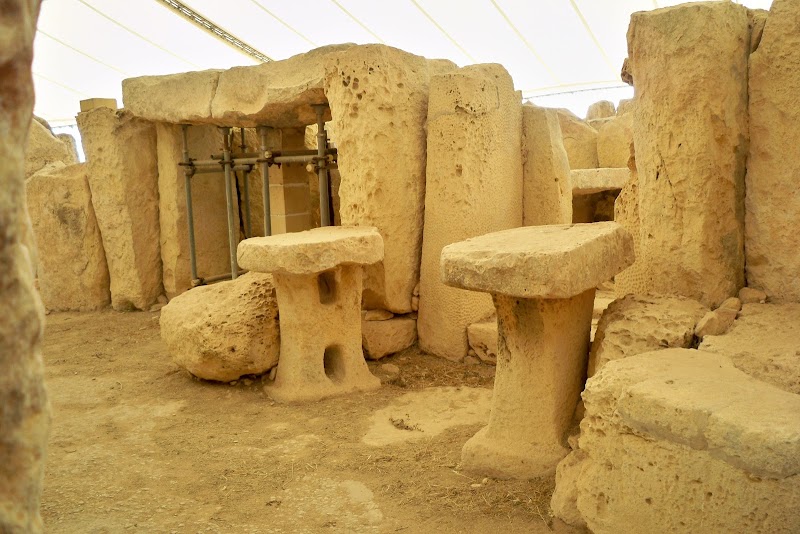
Photos published by travelers on Google, not AI generated.
What stands out
- Monumental prehistoric stonework
- Wide sea views from the rocky hill
- Informative visitor-centre exhibition
- Highly regarded audio guide
- Access to both Ħaġar Qim and Mnajdra
Worth knowing
- Introductory film may feel light on detail
- Ruins are less engaging without historical interest
- Some audio-guide questions may feel unnecessary
Don't miss
What comes up most in public reviews
- Use the audio guide
- Explore the visitor-centre exhibition
- Continue to Mnajdra
- Walk the trails for sea views
Worth the trip?
Why it stands out
Ħaġar Qim Archaeological Site earns a 4.6 rating from 8545 reviews on Google, with public feedback repeatedly focusing on three strengths: the age and scale of the ruins, the dramatic coastal setting and the interpretation provided by the visitor centre.
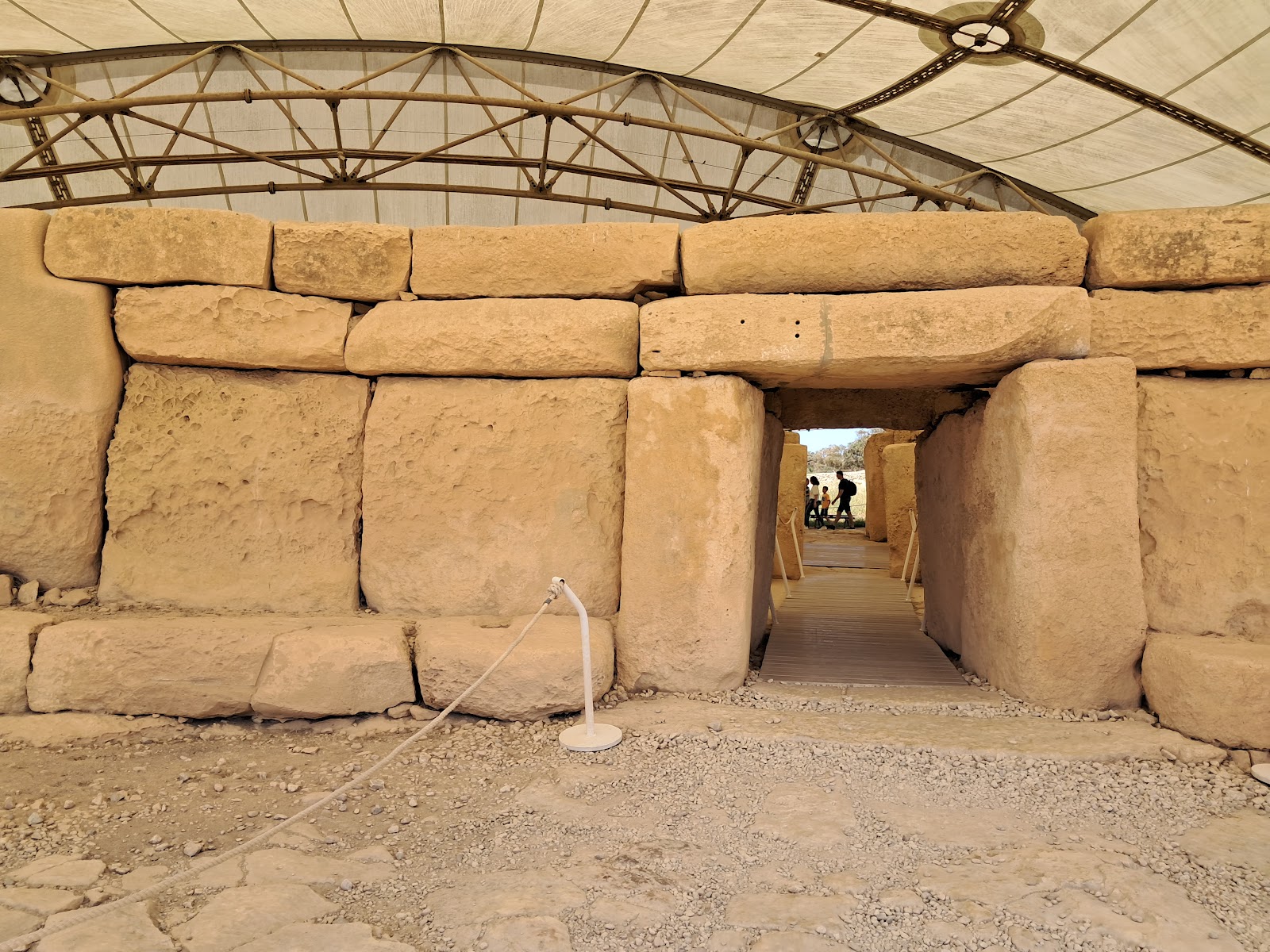
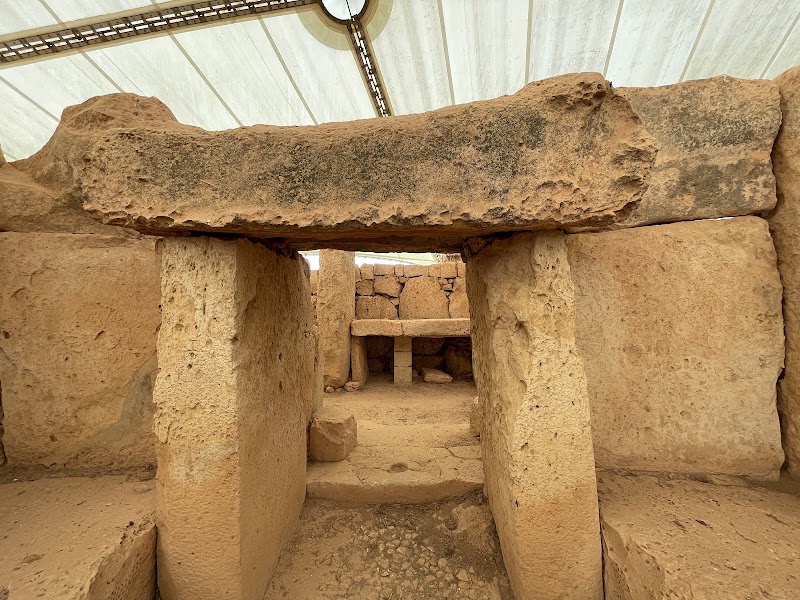
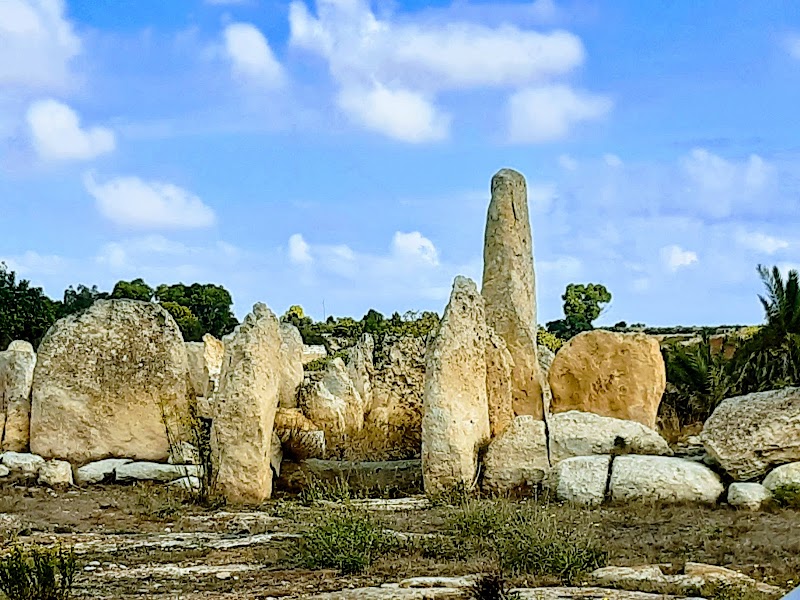
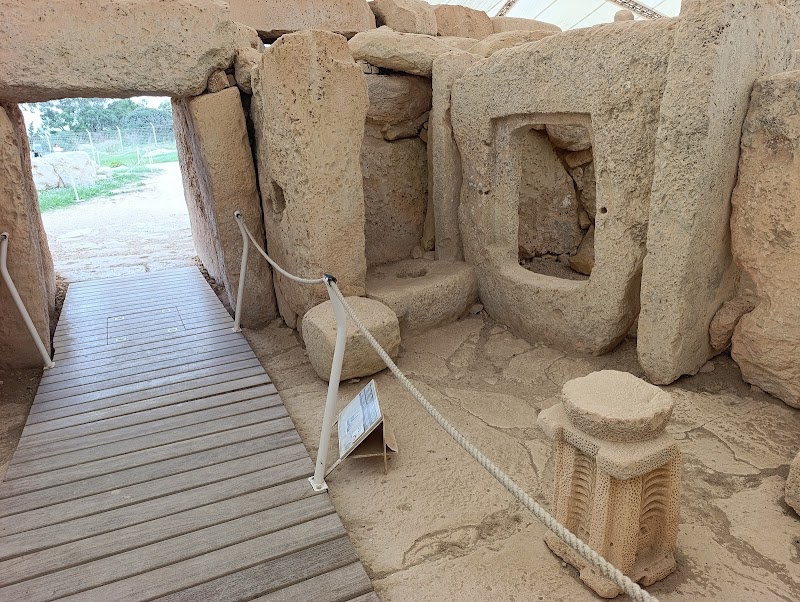
The site occupies a rocky hill in southern Malta, overlooking the sea near Il-Qrendi. Its massive stones make the strongest first impression. Reviewers frequently struggle to reconcile the surviving structure with its extraordinary age, and several describe the temple as spectacular even before engaging with its finer archaeological details.
This is not simply a collection of scattered ruins. Visitors report curved chambers, stone tables and large upright blocks that help communicate the original layout. The remains are likely to resonate most with travellers already interested in prehistory, architecture or archaeology, but the landscape adds broader appeal.
Visitor centre and interpretation
Entry begins at the visitor centre, which contains a compact exhibition covering the site’s history, excavations and associated discoveries. Reviews generally find the displays interesting and useful, particularly for history enthusiasts. They provide context that can otherwise be difficult to extract from weathered stonework alone.
The audio guide receives especially positive comments. Multiple reviewers describe it as useful or extremely good at explaining what stands before them. For visitors without specialist knowledge, it appears to be the most effective way to understand the chambers, megaliths and possible functions of different spaces.
Feedback on the introductory film is more mixed. Some find its presentation polished but its information too slight, while one reviewer suggests it may work better for children. There are also isolated complaints about questions included at the end of the audio experience. Neither issue appears to outweigh the value of the exhibition and spoken interpretation.
Combining Ħaġar Qim with Mnajdra
A major practical advantage is that both Ħaġar Qim and Mnajdra can be reached from the same visitor centre. Reviewers who see the two together describe them as highly interesting and spectacular. Allowing half a day gives the archaeology room to breathe and leaves time for the surrounding paths rather than reducing the visit to a quick circuit.
Mnajdra also adds variety to the experience. The pairing creates a stronger sense of the wider prehistoric landscape, while the walk between archaeological remains introduces open views and a change of perspective. Travellers primarily interested in history should treat the two sites as a combined outing.
Overall experience
Public reviews consistently praise the sea views and the unusual atmosphere of the rocky hilltop setting. Several visitors mention walking the nearby trails, suggesting that the surroundings can carry the afternoon even for companions who are less absorbed by ancient ruins.
The site is generally described as well preserved, and staff receive positive comments for being kind and professional. Reviews also characterize admission as budget friendly, although the principal value lies in access to two archaeological areas, the exhibition and the audio interpretation.
Ħaġar Qim is best approached slowly. The stones become more meaningful with context, and the coastal paths prevent the experience from feeling overly academic. For archaeology enthusiasts it is a priority; for everyone else, the combination of monumental ruins and sea views still makes a persuasive case.
Ask anything
Looking for somewhere else?
Keep exploring around Il-Qrendi
More from Malta
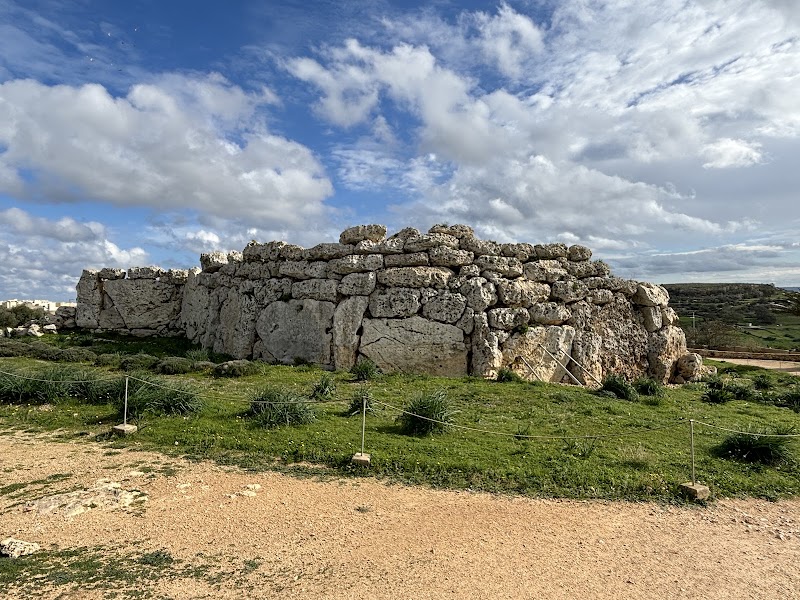
Malta · Xagħra
Ruiny Świątyni: Gozo’s monumental Ġgantija ruins
Massive prehistoric stonework and a clear visitor centre make this Xagħra landmark one of Gozo’s most compelling historical stops.
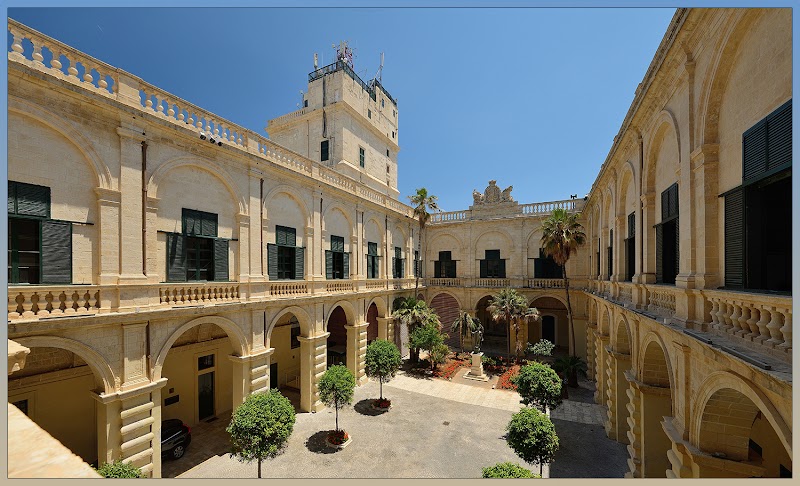
Malta · Il-Belt Valletta
Grand Master’s Palace: Valletta’s seat of power
Ornate state rooms, working presidential offices and an extensive armoury make this one of Valletta’s most rewarding historical landmarks.
Malta · St. Paul's Bay
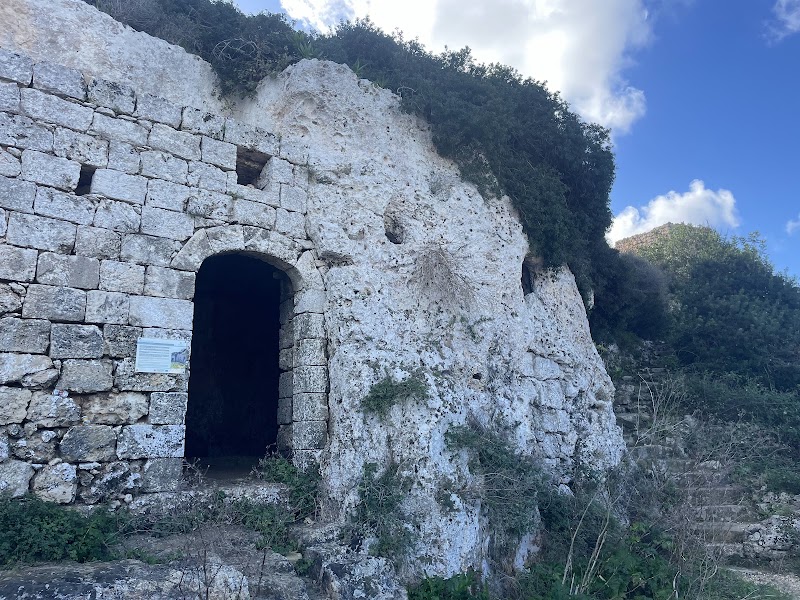
Roman Baths: Ancient Remains Beside Malta’s Cart Ruts
These remarkably intact baths reward careful-footed visitors with ancient structures, nearby cart ruts and an atmospheric approach.
Malta · Mdina
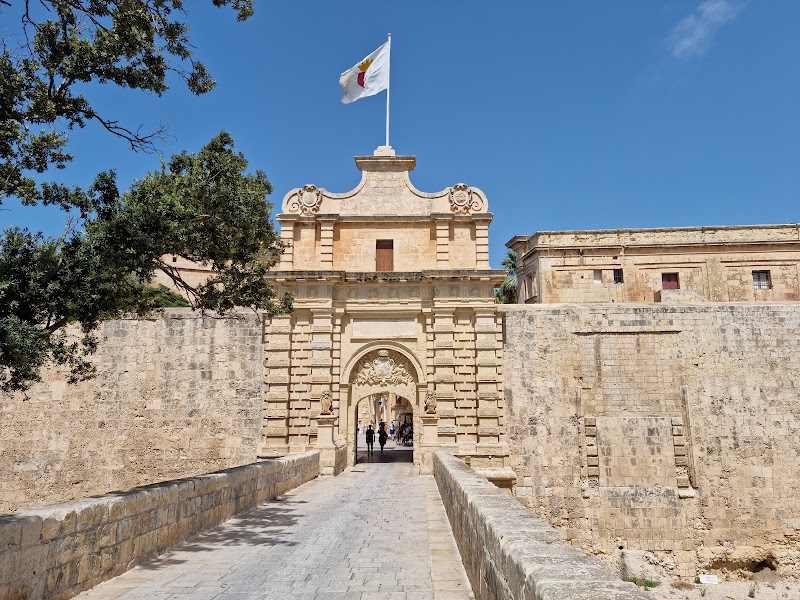
Mdina Gate: A Grand Entrance to Malta’s Silent City
Mdina’s monumental gateway sets the scene for medieval streets, historic architecture and one of Malta’s most atmospheric walks.