Abbey of Saint-Savin: Frescoes Worth Looking Up For
Impressive architecture and vivid church murals make this medieval abbey rewarding, though some exhibition spaces receive mixed reviews.

More photos
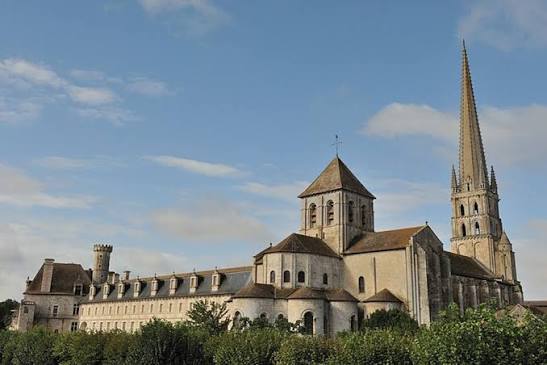
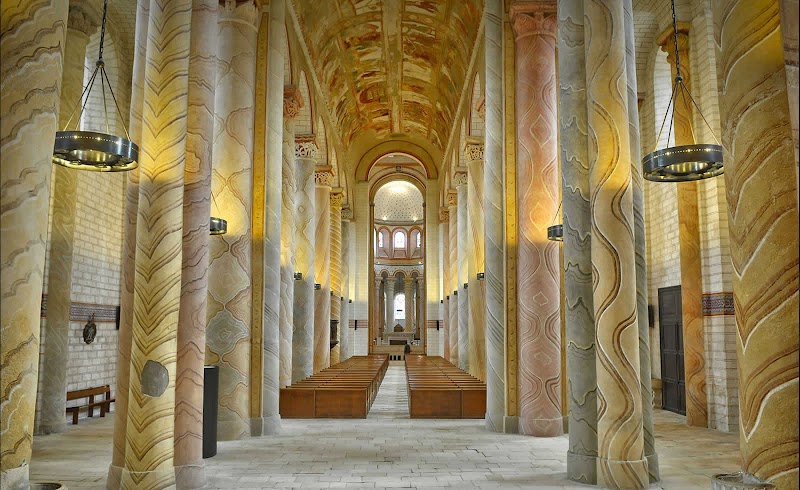


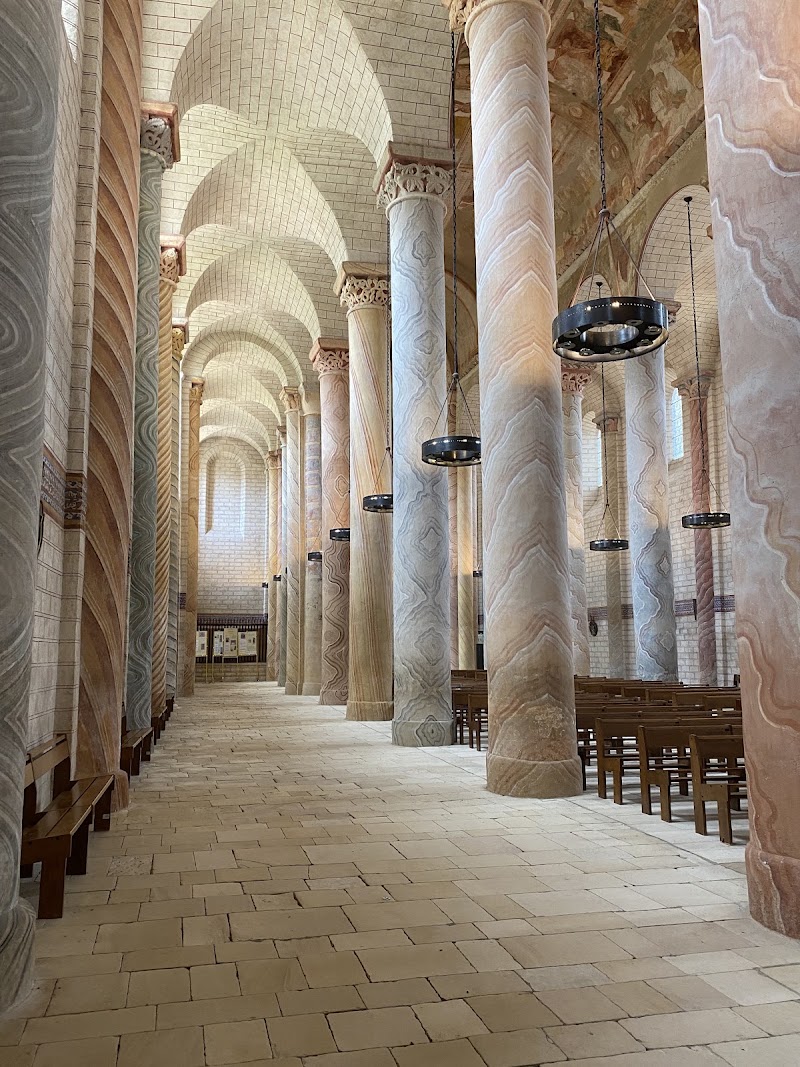
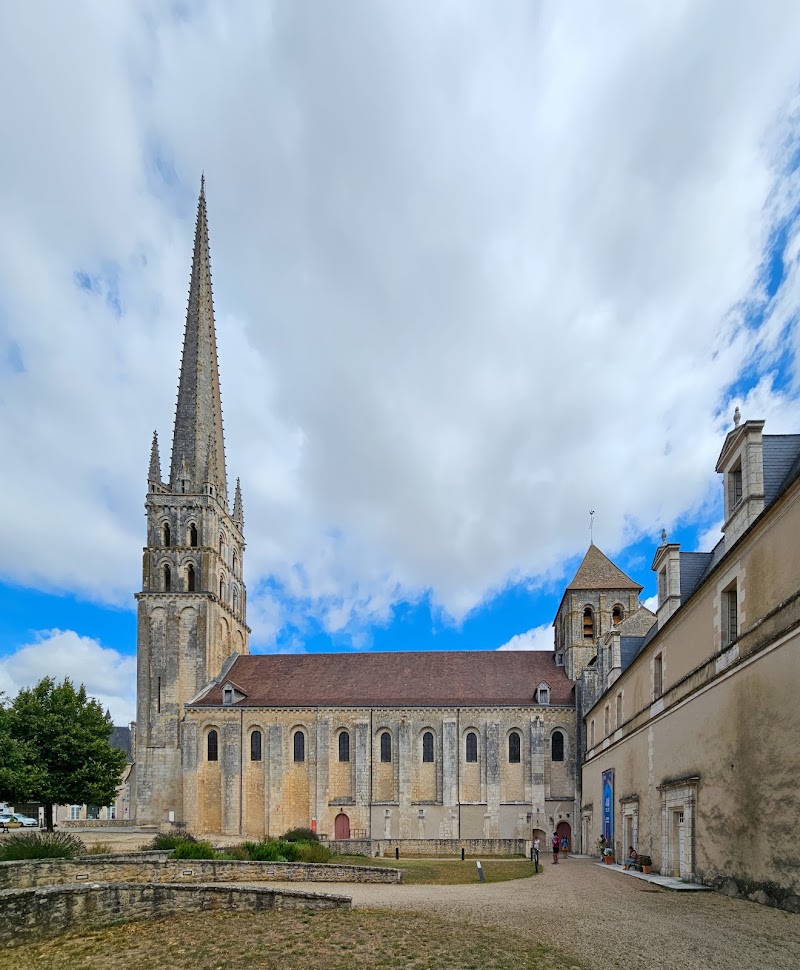
Photos published by travelers on Google, not AI generated.
What stands out
- Central ceiling fresco
- Impressive entrance and columns
- Beautiful church murals
- Interesting historical displays
- Hand-drawn brickwork details
Worth knowing
- Some displays may feel worn
- Upper floor can seem sparse
- Monks’ quarters may not match expectations
Don't miss
What comes up most in public reviews
- Central ceiling fresco
- Church murals
- Distinctive columns
- Hand-drawn brickwork
- Guided interpretation of the frescoes
Worth the trip?
Why it stands out
The Abbey of Saint-Savin earns a strong Google rating of 4.6 from 1731 reviews, with its architecture and painted church interior attracting the most consistent praise. Public feedback repeatedly singles out the central ceiling fresco, main entrance and distinctive columns. Several reviewers describe the murals as beautiful or breathtaking, making the church the clearest reason to stop in Saint-Savin.
The building also appeals to travellers interested in medieval religious sites. Reviewers commonly refer to the complex as both an abbey and monastery, and the combination of architectural details, historical interpretation and surviving wall paintings gives the visit more substance than a quick look around a village church.
Church and abbey displays
The experience divides into two parts: the church and the abbey exhibition spaces. According to public reviews, the church murals can be viewed without entering the paid museum-style areas. The additional abbey visit extends across several floors and includes historical displays, small rooms associated with the former monks’ quarters, and different interpretation options.
Responses to those displays are less consistent than reactions to the church. Some visitors find the historical information interesting and well presented. Others report that certain exhibits feel worn, that the upper floor contains relatively little to see, or that the monks’ quarters are less substantial than expected. Those mixed impressions suggest that the paid portion works best for visitors who enjoy contextual exhibits rather than anyone anticipating fully furnished monastic rooms.
Tours and visit planning
Both self-guided and guided formats are mentioned in the reviews. One visitor considered the small guided tour particularly worthwhile, praising the guide’s ability to explain the abbey’s history and frescoes while answering questions attentively. Another review confirms that tablet-assisted interpretation has also been available. Current tour formats and access arrangements should be checked before arrival, since options can change.
The order of the visit matters. One reviewer regretted seeing the museum before the church, suggesting that the church makes the stronger opening impression. Beginning with the architecture, ceiling paintings and columns provides a clear visual framework before the historical displays add context. Around half a day should allow time for both sections without rushing.
Overall impression
The abbey is most convincing as a place of architecture and sacred art. Its central frescoes, church murals and unusual columns dominate positive feedback, while small details such as the hand-drawn brickwork reward closer attention. The exhibition areas add depth, but expectations should remain measured, particularly for the upper level and the presentation of the monks’ rooms.
Public reviews also mention uncomfortable conditions during extreme summer heat. On very hot days, an earlier visit may be more comfortable if opening hours allow. For most travellers, the strongest approach is to prioritise the church, look carefully overhead, and then decide how much time to devote to the wider abbey displays.
Ask anything
Looking for somewhere else?
Keep exploring around Saint-Savin
More from France

France · Château-Thierry
Château-Thierry American Monument: History and Wide Views
A well-kept Great War memorial where a strong visitor centre, imposing architecture and expansive views reward the journey.
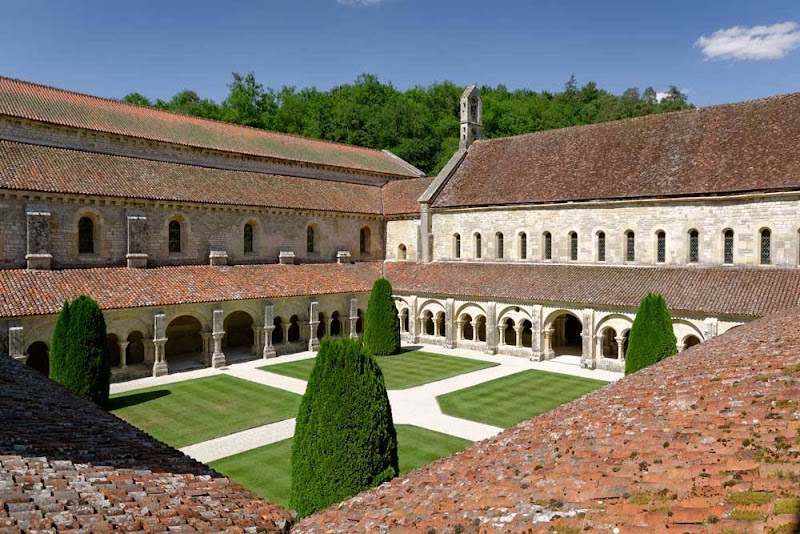
France · Montbard
Fontenay Abbey: Restrained Beauty and Monastic History
Serene gardens, austere interiors and a memorable forge make this restored abbey near Montbard a rewarding half-day visit.
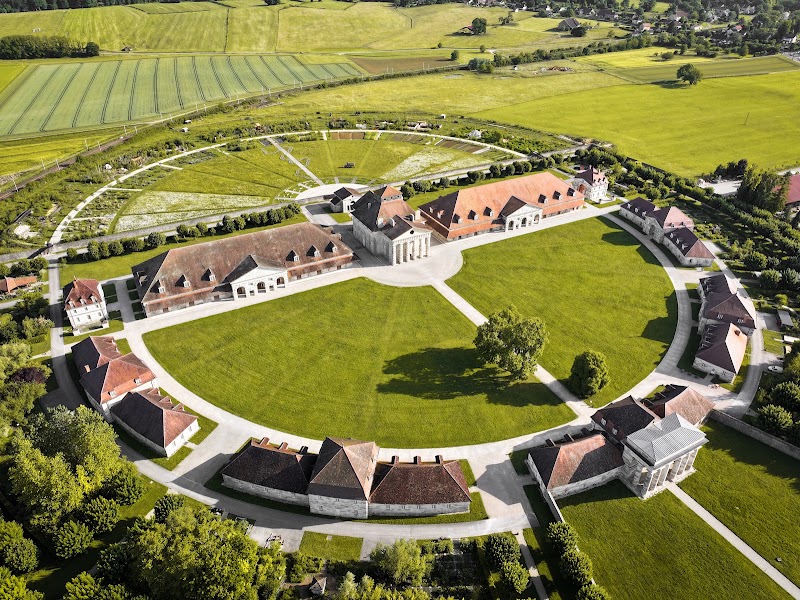
France · Arc-et-Senans
Saline Royale d'Arc-et-Senans: architecture and industry
Ledoux’s monumental saltworks combines industrial history, architectural theory, interactive interpretation and extensive gardens.
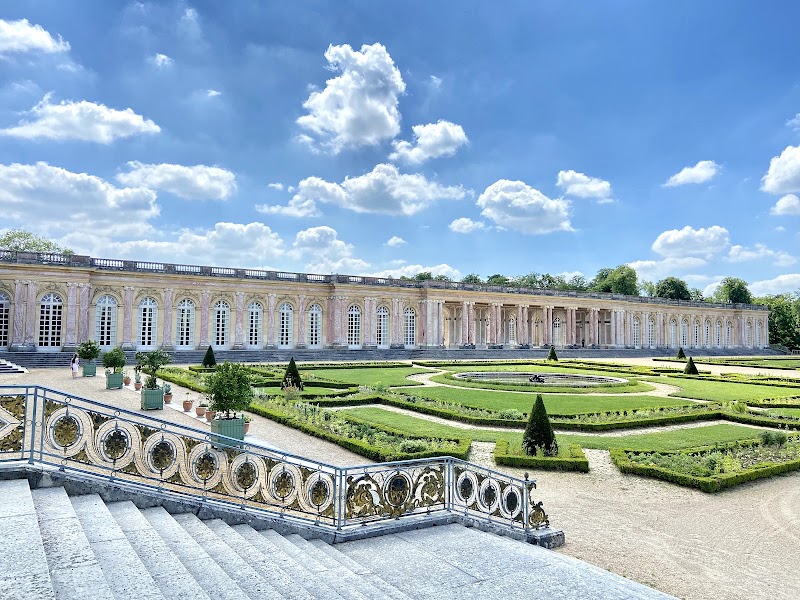
France · Versailles
Grand Trianon: A Calmer Counterpoint to Versailles
Pink marble, refined rooms and a more intimate scale make this royal retreat appealing, though queues can undermine its quieter atmosphere.